
#grateful #hopeful

November 19, 2018
In 2014 when the Injury Prevention Center of Dallas was celebrating its 20th anniversary, every promotional item I prepared ended with #grateful, #hopeful. It got to be a joke among our staff and colleagues who would playfully raise their fingers to indicate quote marks and say “hash tag grateful, hash tag hopeful.”
I’ve always felt gratitude, but as Thanksgiving 2016 approached, there was little if anything I felt hopeful about. For the past 20 years, November has been a difficult month for me because it signifies a month when I lost several people I loved, including my father, nephew and two good friends. But in spite of the pain of those losses, I had remained hopeful because I believed in the goodness of people living in my country. That belief was shattered in November 2016.
Fortunately, my friends and I have emerged from those deep feelings of despondency, albeit with some lingering skepticism about our country. Buoyed by the resiliency of my friends and an aggressive attempt to find moments of awe, I’m starting to feel hopeful again.
So in the spirit of the upcoming Thanksgiving holiday, here are few things I’m grateful for, as well as some things that give me hope.
I’m grateful for a meaningful job, amazing colleagues, and leadership that values our work. I’m grateful to the staff of the Injury Prevention Center of Greater Dallas who have allowed me to be part of their lives for the past 10 years. I’m grateful to the Community Development Services staff that have welcomed me into their fold. I’m grateful for the trust both groups have bestowed upon me.
I’m grateful for the love and understanding of my friends who give me a safe space to feel vulnerable and grow. I’m grateful to Team Texas for inspiring me everyday. I’m grateful to my public health friends across the country. I’m grateful to spend even small amounts of time with all you. I’m grateful to my African American, Hispanic, Native American, LBGTQ, Muslim and Buddhist friends and colleagues who are patient and accepting of me, and who allow me opportunities to listen and learn from them.
I’m grateful for all opportunities to learn how to improve in my job or personally. I’m continuously learning new approaches, proof that you can teach “an old dog new tricks.”
I’m grateful for my health and the health of my family. During the past two years, my mother, stepfather and mother-in-law have had health issues that remind me how fragile life can be. I’m grateful for good health insurance.
I’m grateful for the love of my family, whom I probably disappoint and irritate on a daily basis. Thank you for hanging in there with me.
I’m grateful for another year to watch my incredible daughter, who continues to impress me, navigate her life.
I’m grateful to religious leaders who have spent time with me. I’m grateful for Oak Lawn United Methodist Church for reminding me what real Christian behavior looks like.
I’m grateful to all of the brave women who have come forward to talk about their experiences of sexual harassment and assault. I’m grateful to the men who are listening.
I’m grateful to all of the women (and men) who have been discouraged by the hate perpetrated by our elected officials and ran for office this year with a mission to give voice to those who have been oppressed.
I’m hopeful because many of those people mentioned above were elected, and even those who were not elected, inspired people to get involved.
I’m hopeful about the small steps we are taking at work to listen and learn from our colleagues who have different experiences and viewpoints. Thank you Mighty for giving us the idea. Thank you Jennifer for taking the idea and organizing our “Let’s Connect” lunches.
I’m hopeful when I hear my friend, Courtney, talk about teaching her three young sons about consent. Instead of blaming women for sexual assault, Courtney and her husband are making sure their sons understand consent and are modeling it for them. Thank you Courtney and Andrew.
I’m hopeful that the work that we are doing at Parkland around health equity will ensure that everyone (not just those of privilege) have access to prevention measures such as clean water, healthy food, affordable housing, educational opportunities, and safe places to live, work, learn and play, as well as access to quality health care. Thank you to my friends and colleagues who are further along on the health equity path and have shared what they have learned with me.
Thank you to everyone who has restored my hope and for making me forever #grateful #hopeful.


San Diego (aka #APHA 2018)
November 15, 2018
When I started this blog earlier this year, my intent was to focus on capturing moments of awe from behind the lens of my camera or iPhone. Throughout my career, I’ve been fortunate to get to travel to across the United States, as well as to other countries. Business travel can be fun (especially when friends are there, too), but work consumes most of the days and evenings, leaving little time to explore the destination.
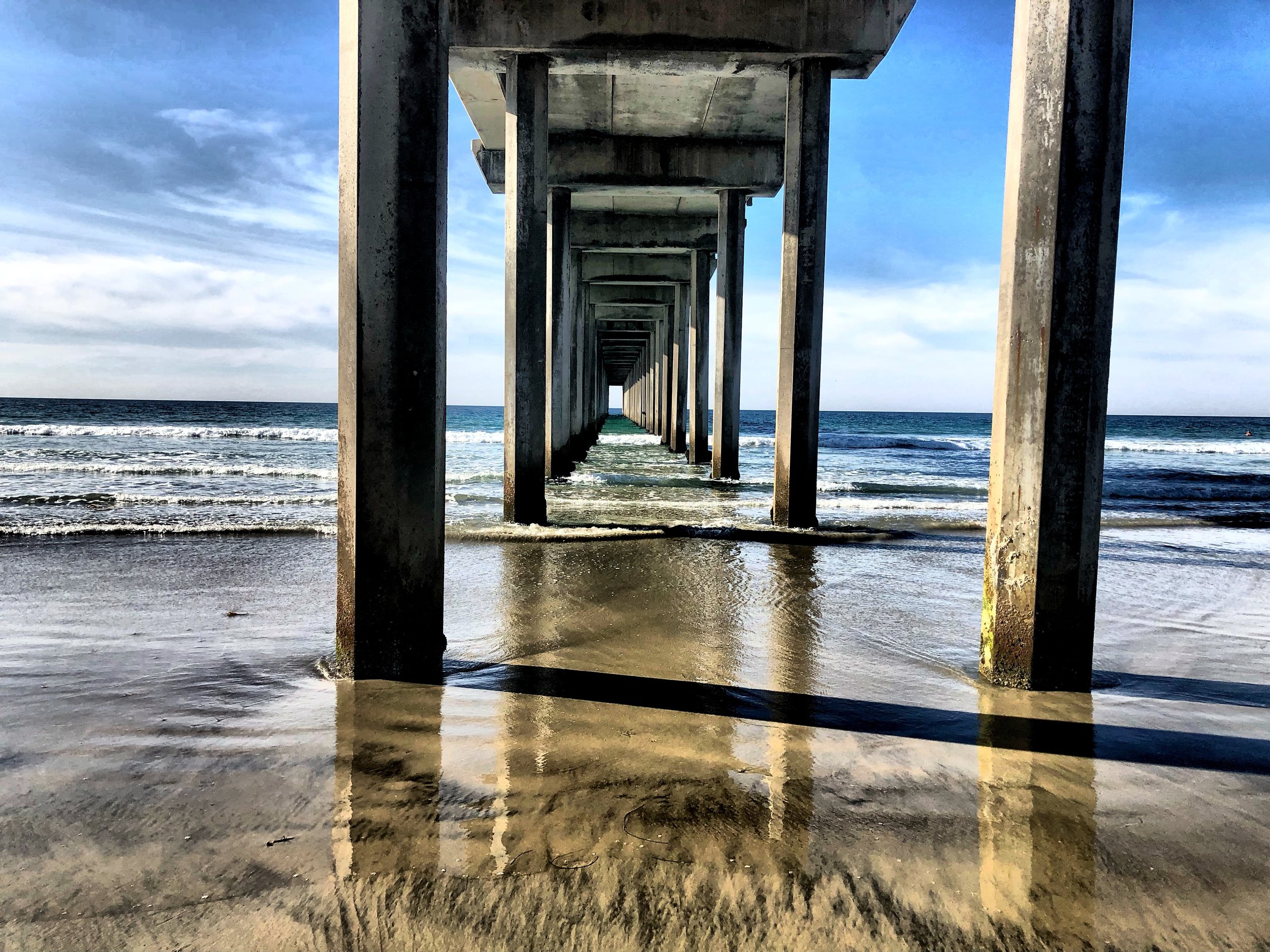
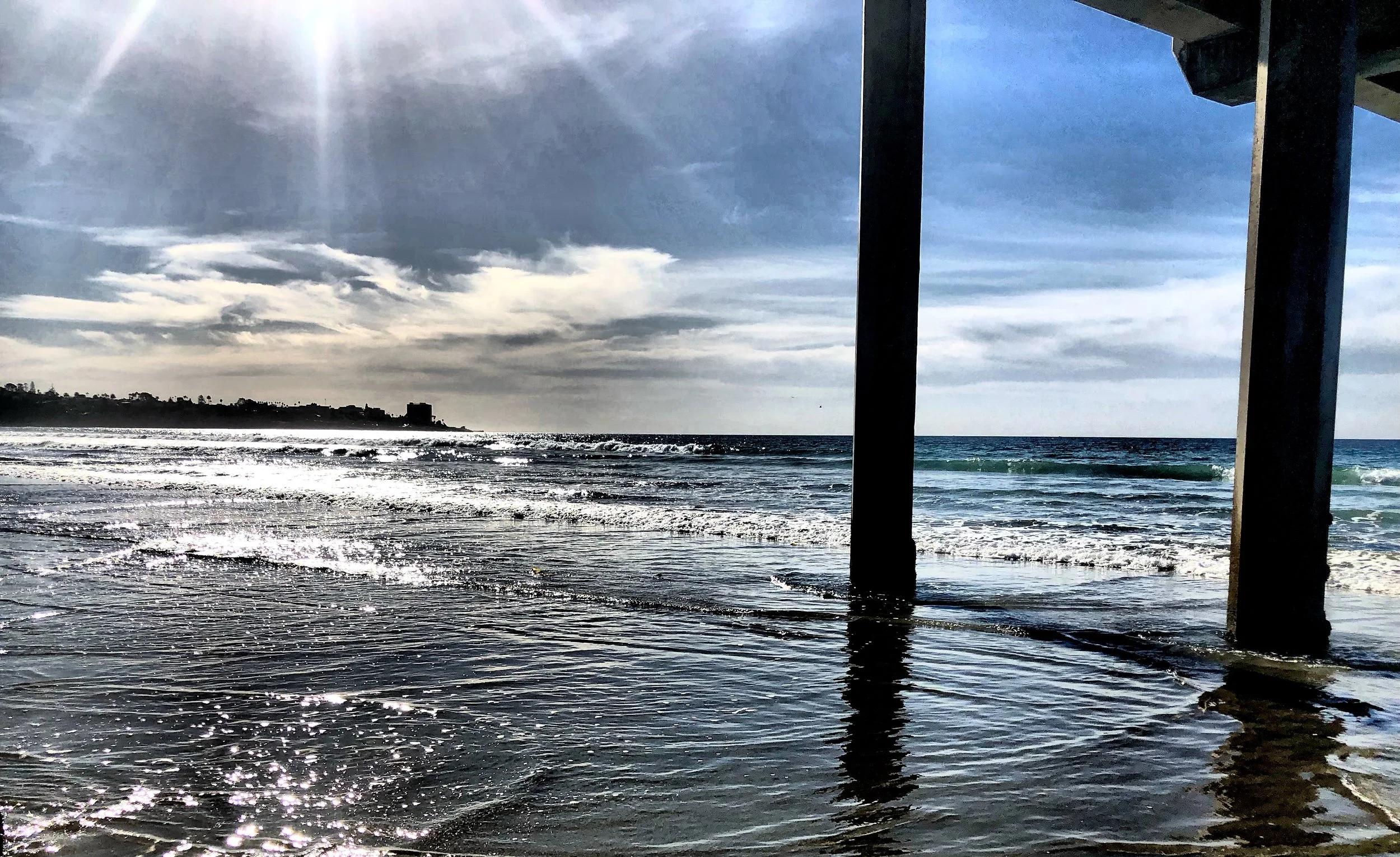
I recently returned from the 2018 American Public Health Association Annual Meeting and Expo in San Diego. San Diego is beautiful, and is warm and sunny all but about 10 days a year. When I’m there on a business trip, I always wonder why I don’t ever visit when I’m not there for work. This year, two of my friends and colleagues made sure that I had ample opportunities to experience “moments of awe” while we were in San Diego.
Thanks Dawn and Paula for sharing these moments with me. And to Sue, Lenora, Anara, Billie, Linda, Cary and all of the others for the spirited and thoughtful conversations. You nourish my soul!

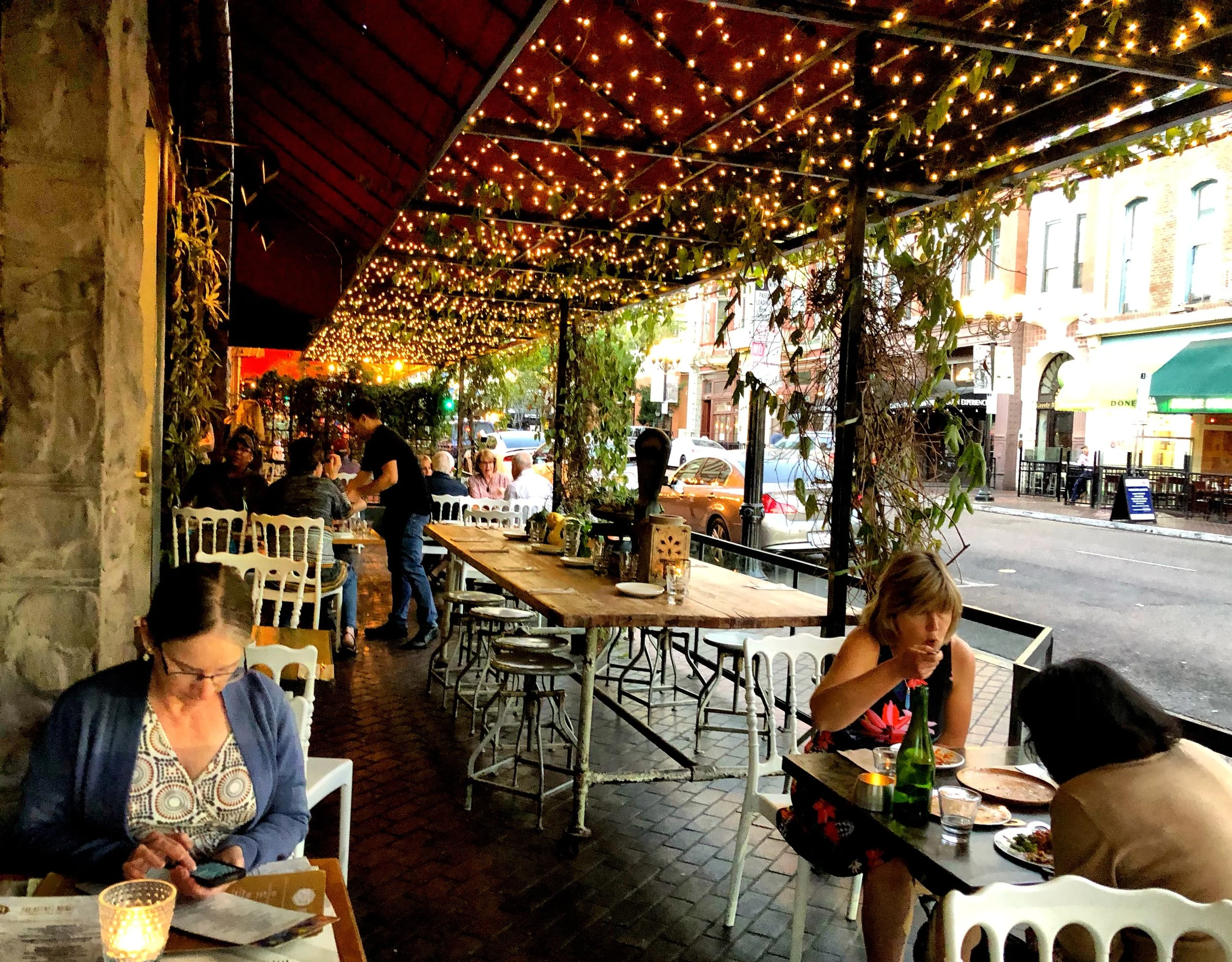

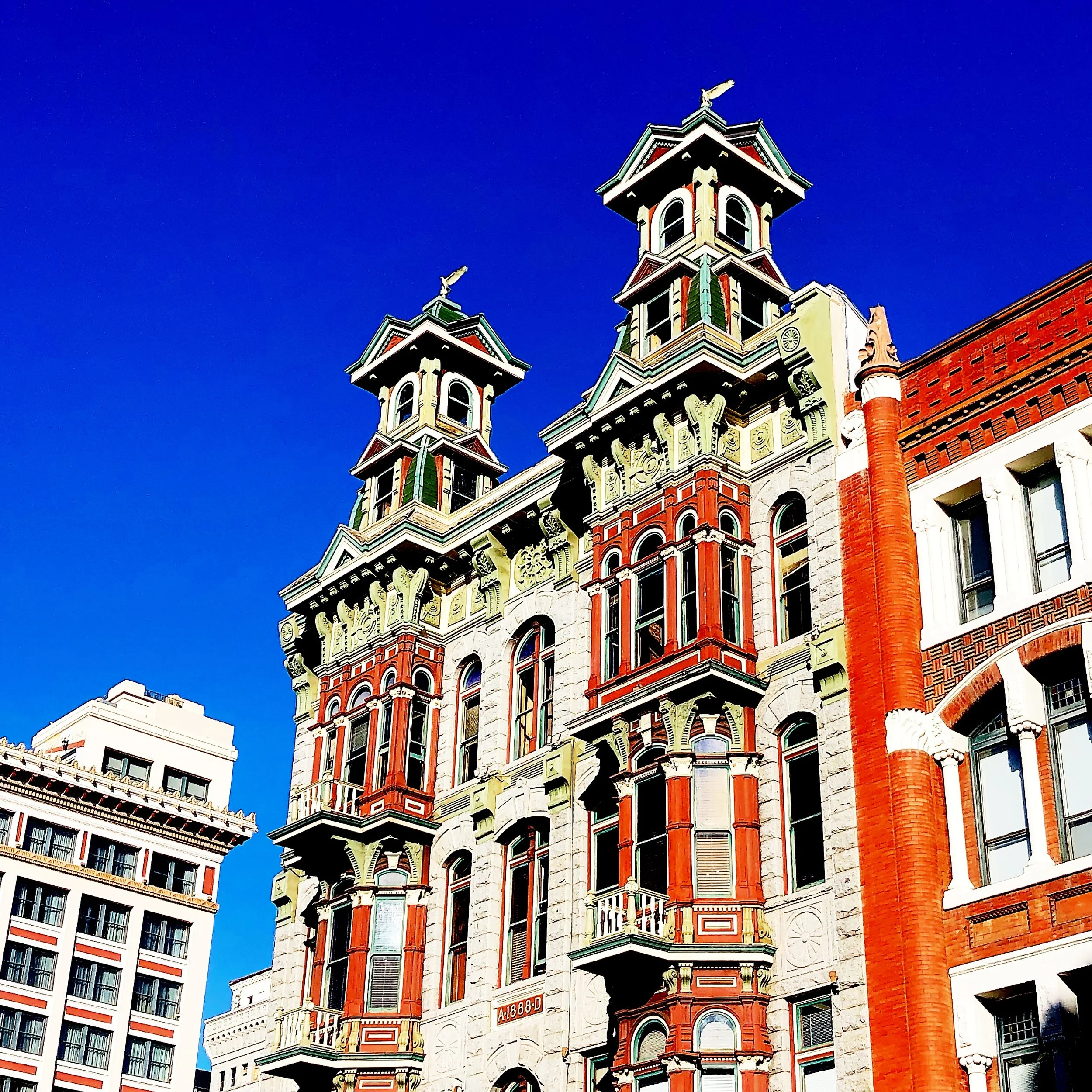


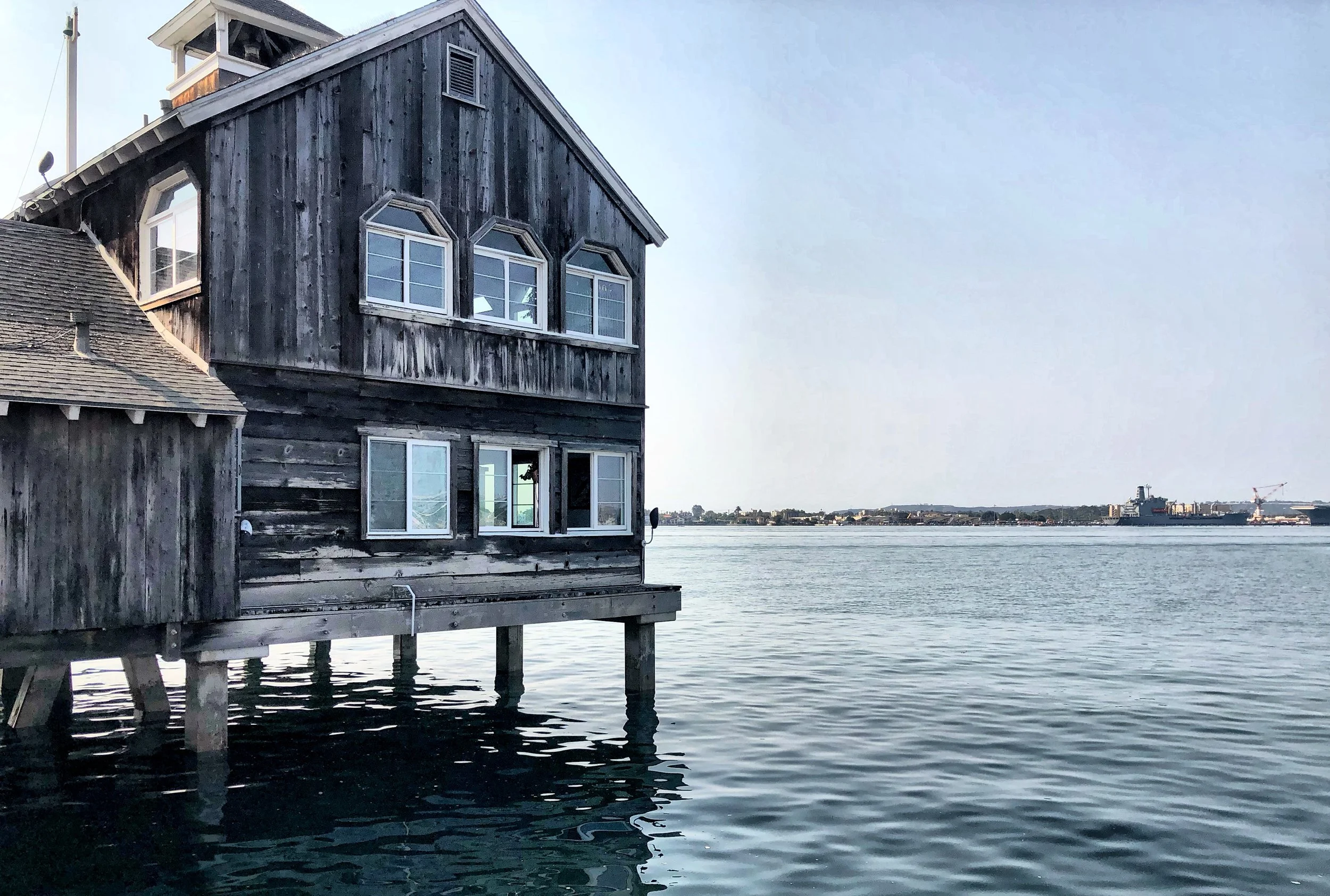
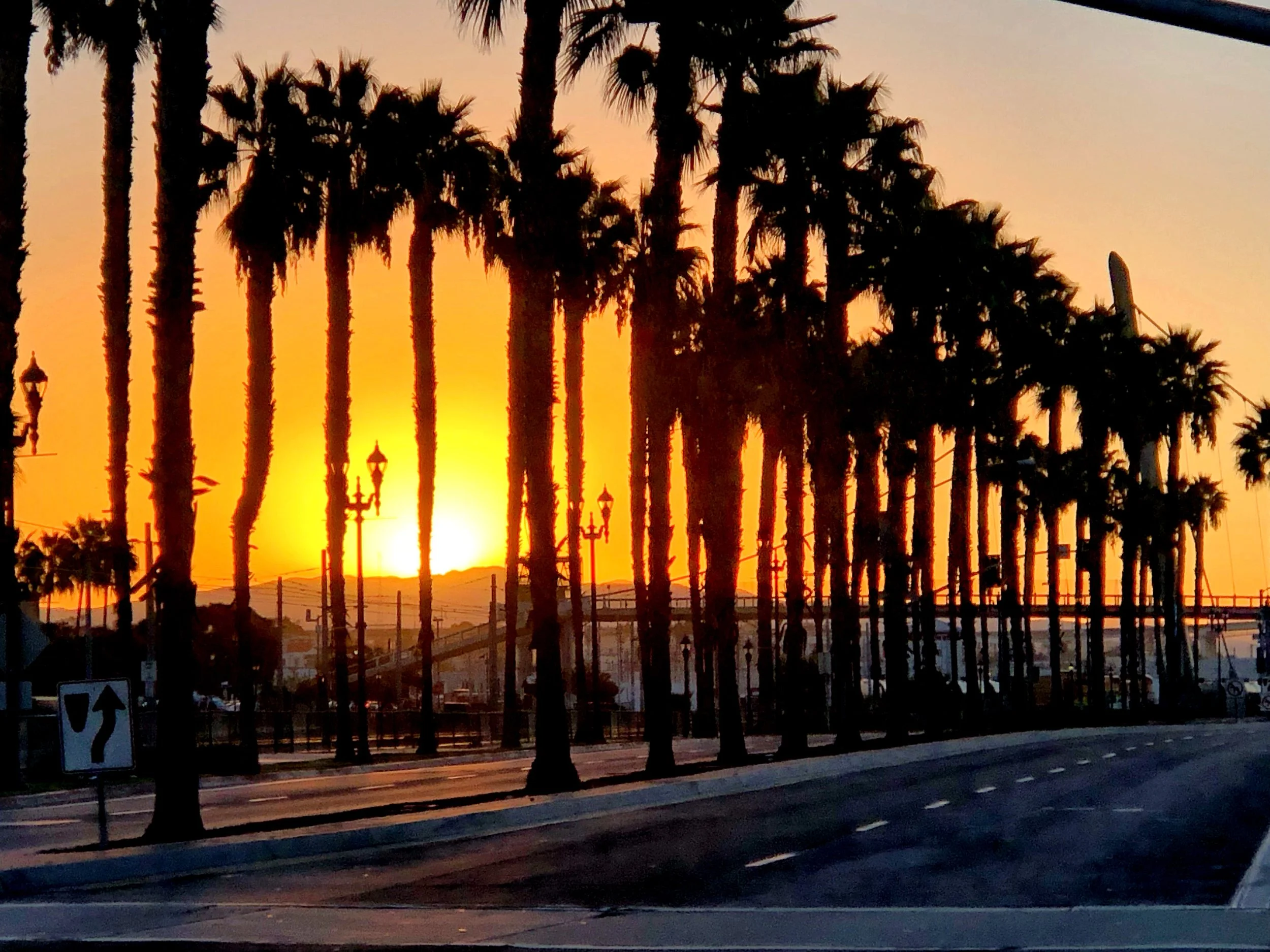
In case you missed it, there was a midterm election…
November 10, 2018
On my very first day of graduate school working toward a Masters in Public Administration, in the very first hour of my first class, the professor made the statement that only 10% of the voting electorate is informed when they go to the polls to cast their ballots. I’m not sure if it was naiveté on my part, but I was shocked.
I was well into my public health career when I started graduate school, and my colleagues and I frequently discussed politics and upcoming elections. I fondly remember the days in my first job in the Health Education & Information Service at the Oklahoma State Department of Health when my supervisor, Leslea, would round up the crew at lunch, and we would eat and discuss the “hot topics” of the day, long before the television show The View ever aired. I loved it because I’ve always been fascinated with politics. I’m someone who has voted in every election since I turned 18 years of age.
My interest in politics started early in my life, and I probably have my dad to thank for that. When my I was in elementary school, a friend of my grandfather and father ran for county commissioner. I think I was probably in the fifth grade, which means my sister would have been a third-grader. My dad was very involved in campaigning for his friend. The primary election was in the summer, so my dad would often drive through neighborhoods and drop my sister and me off, laden with pencils with our candidate’s name on them. We would go door-to-door asking residents to vote for our candidate. We would do this for several blocks until my dad came back, picked us up, and took us to another neighborhood. For those feeling a little squeamish about my father leaving his 10 and 8 year-old daughters to walk through neighborhoods and knock on doors, it was the late 1960s in Ada, Oklahoma! Although our candidate lost in the primary, I was firmly on a path to becoming a political junkie.
In the spirit of full disclosure, I have to admit that early on I wasn’t an informed voter. This may be hard to imagine now, but in the 1960s and 1970s, southeastern Oklahoma was solidly Democratic. It was the home of former Speaker of the House Carl Albert, who served three terms as Speaker, including during the Nixon years and Watergate scandal. Nicknamed “the Little Giant” because he was only 5 feet, 4 inches, Speaker Albert was a beloved figure in Oklahoma. Back then, the majority of registered voters registered as Democrats. My family was no exception. In fact, both sets of my grandparents were known as “yellow dog Democrats,” a saying in Oklahoma that meant they would rather vote for a yellow dog than a Republican! While Will Rogers, another beloved Oklahoman, famously said, “I never met a man I didn’t like,” I heard my grandfather say he “never met a Republican he liked.”
Now, I didn’t rebel in the normal teenage ways, such as underage alcohol use, drug use, or skipping school (oh wait, maybe I did skip a few classes), but by gosh, I wasn’t going to vote for a candidate just because my family told me I should. So, the very first opportunity that I had to vote – the 1976 Presidential election – armed with no information about either candidate other than their political party, I proudly cast my vote for Gerald Ford over Jimmy Carter. I didn’t fair any better on my next election – the 1978 midterms. By then, I had met and was engaged to my husband, whose family had ties to the Edmondson family. Former Oklahoma Representative Ed Edmondson ran for Senate that year, and my husband told me that I needed to vote for him. Needless to say, no man, including the one I was going to marry, was going to tell me how to vote (Are you sensing a pattern here?). Representative Edmondson lost in the primary that year to former Oklahoma Governor David Boren. But instead of researching the policy platforms of the candidates, I again went to the polls knowing nothing about how either candidate stood on any issue. I had one purpose – to vote for the Republican candidate, former Oklahoma State University President Robert Kamm, just because he was Republican. Kamm lost to Boren, who served in the Senate from 1979 to 1994, then served as President of the University of Oklahoma from 1994 to 2017.
Fortunately, I finally learned my lesson by the time the 1980 Presidential election rolled around. By then, I was 22 years old, and I spent a considerable amount of time learning about each candidate. After the 1978 election, I never again voted in an election without knowing the issues and how the candidates stood on them.
In 1982, a relatively unknown District Attorney from Muskogee County, Oklahoma named Mike Turpen entered the Attorney General race in Oklahoma. Turpen was one of my husband’s fraternity brothers. In 1982, he ran a grassroots campaign that was reminiscent of Beto O’Rourke’s recent Senate campaign. No gathering or event was too small for Turpen to attend. He canvassed the state listening to voters and relating to them on a personal level. My husband and I still lived in Ada at that time, and we went to a gathering in someone’s home where Turpen was speaking. I remember asking him several questions about issues that were important to me, and he answered every one. Typical of Mike Turpen in those days, he had not made any lodging arrangements for the evening, and was deciding on the fly where he would go the next day. He also didn’t have any luggage or a change of clothes. So, my husband invited him to spend the night at our house. I washed the clothes that he was wearing, and he put them on the next day and headed out to the next town and event. Turpen won that election and served as Attorney General until 1987.
Mike Turpen lost a bid to become Oklahoma’s governor in 1986, but he has been active in the Oklahoma Democratic Party since that time. Today, Turpen co-hosts KFOR’s Sunday morning political show, Flashpoint, with former Republican Oklahoma City mayor, Kirk Humphreys, and KFOR anchor, Kevin Ogle.
Following the 2016 election, I was in Oklahoma with my husband during the Christmas holiday, and he turned the television on to watch Flashpoint. During the program, Humphreys talked about not liking Trump, but that “he had to vote for him because he was the Republican candidate.” I sat dumbfounded as I watched the exchange on television. I was embarrassed and ashamed about being an uninformed voter until I was 22 years old, and here was an educated and relatively respected man saying that the only reason he had voted for a candidate was because he was a Republican. I shouldn’t have been surprised, though, because I’ve heard other Republicans say the same thing.
I have conservative friends who make assumptions that I am “disappointed when Democrats lose” or that I supported Hillary Clinton “because she is a woman, and you’re a feminist, Shelli” or because the 2016 election was “historic.” Those comments offend me, especially when people who profess to “know and care about me” say them. Obviously, they don’t “know” me at all. I am one of the 10% who is actually informed. I vote for candidates based on their policy platform, not because of their political party. I have voted for Democrats, Republicans, and Independents, and I am offended when conservatives try to paint me with their own attitudes. Even though I have lived and voted in Texas for the past 10 years, I still visit Oklahoma Representative Tom Cole’s office when I am in Washington, DC to thank him and his staff for the assistance they provided my family in getting my daughter’s passport in 2007.
Like so many others across the country, I was very invested in this midterm election. Unlike so many previous elections, though, I got involved. I went back to my roots and knocked on doors for candidates I supported. Some won, and others didn’t. And while I’m disappointed in the losses, it’s not because “Democrats didn’t win.” I’m disappointed in what it could mean for our country and the values that are important to me – civility, equity, human decency, empathy, and respect.
But in spite of the losses, there are things that make me hopeful. Voter turnout for the midterm election exceeded expectations with more than 47% of the voting eligible population actually casting a ballot. And, diverse candidates won, making us look more like the America we actually are. At least 100 women won seats in Congress, including the first Native American, Muslim, and Hispanic women. Other states elected their first female governor and senator. Colorado elected this country’s first openly gay governor.
The concession speech by Beto O’Rourke, like the candidate, was inspiring. In Oklahoma, several teachers ran and were elected to the state legislature. Democrat Kendra Horn upset Republican incumbent Steve Russell and broke a 44-year Republican hold on Oklahoma's 5th congressional district, turning the Oklahoma City-area district blue for the first time since the mid-1970s.
The Facebook posts by Oklahoma gubernatorial candidate Drew Edmondson (yes, of the same Edmondson family I mentioned earlier) and his daughter-in-law (and my former colleague) Andrea Hamor Edmondson were gracious. Although, I can’t vote in Oklahoma, I was following Drew’s campaign. I even marched in the Cherokee National Holiday Parade with my sister-in-law in Tahlequah, Oklahoma on Labor Day, supporting Drew. From my home south of the Red River, I have watched Oklahoma’s decline with mixed emotions (see Russell Cobb’s August 29, 2017 article in The Guardian entitled “Oklahoma isn’t working. Can anyone fix this failing state?”). Until recently, Oklahoma ranked 49th in the nation in teacher pay, and entry-level employees with a high school diploma at the convenience store, QuikTrip made more money than teachers. Teaching is my family’s “business,” so cuts to education concern me for a variety of reasons. Someday, I will have to return to Oklahoma, and I felt like Drew was the best candidate to restore Oklahoma.
The Facebook post I saw from my friend, Sunshine Cowan on Election Day also inspired me. Sunshine (yes, that is her real name, and no her parents weren’t hippies) posted about voting with her husband, Jerel and their children. I’m hoping Sunshine and Jerel don’t mind me including her post in my blog.
“Voted with the kiddos. Canyon walked through the process with Jerel, and Ponder stood with me. We had a civics lesson along the way.
Ponder asked who I was voting for. I told her there were a lot of people on the ballot, and that’s why we had to do our research. Then, with much hope in her voice she asked, “Are there any girls running?” When I said yes, she beamed and replied, “Mom, let’s vote for all the girls!” I explained that we wanted to vote for smart and strong girls - not just girls - and that meant doing our research and being thoughtful with our vote.
She informed me last night that she’s running for President someday. Ponder and I were at our ballot box before Jerel and Canyon. When Jerel and Canyon finished first, Canyon said, “Dad, did Mom have more people on her ballot?”
#FillTheEntireBubble #FamilyVote #NoStraightPartyVoting #Research#PonderForPresident #HandsFullAndHairInEyes”
Thank you Sunshine and Jerel for teaching your children how to be responsible, informed voters – something I didn’t understand until I was 22 years old, and many others still haven’t learned.
Finally, my last moment of awe this week actually comes from a Republican voice. I’ve recently discovered the podcast Pantsuit Politics. The podcast is hosted by Sarah Stewart Holland (Sarah from the left) and Beth Silvers (Beth from the right). The tag line is “ No shouting. No insults. Plenty of nuance.”
Sarah and Beth have written a book entitled I Think You’re Wrong (But I’m Listening). They say the book is a “guide to grace-filled politics.” The book will be available in February 2019. I’ve already pre-ordered my copy, and you can, too at https://www.thomasnelson.com/p/i-think-youre-wrong-but-im-listening/.
On the November 9, 2018 podcast, Beth, the Republican, said that she will not “be a living embodiment of anger and bitterness” about the world that Donald Trump has created. She went on to say,
“It is not my job to wish for a different version of Donald Trump based on his experiences of grace. It is my job to say what can I be and do in the world if I am capable of extending grace to him and to everyone who voted for views that I think are incredibly offensive to fundamental American values of liberty, justice and equality. It is my job to say what work can I do here as a suburban white woman of many privileges to help bring people along.
I hear the message from many Democrats in our country that it is not the work of marginalized communities to help people of privilege understand “privilege.” And, I get that. I think it IS the work of those of us of privilege to help our fellow people of privilege understand that privilege. I think it is my work as a Republican to say to people we are following an ideology as a party right now that offends Democracy, that offends our Constitution, that is unrepresentative of our values.
I will not sell out everything else for a few policy proposals that I happen to agree with.
We should win because of good ideas, not because of treating Nancy Pelosi like she is some kind of anti-Christ. Not by making people in Central America who are hundreds of thousands of miles away sound like an invading army. We should win because of good ideas.”
Amen, sister! Perhaps, there’s a reason to be hopeful, after all!
#Ivoteissuesnotparty
#proudtobeinformed
#areyoulistening
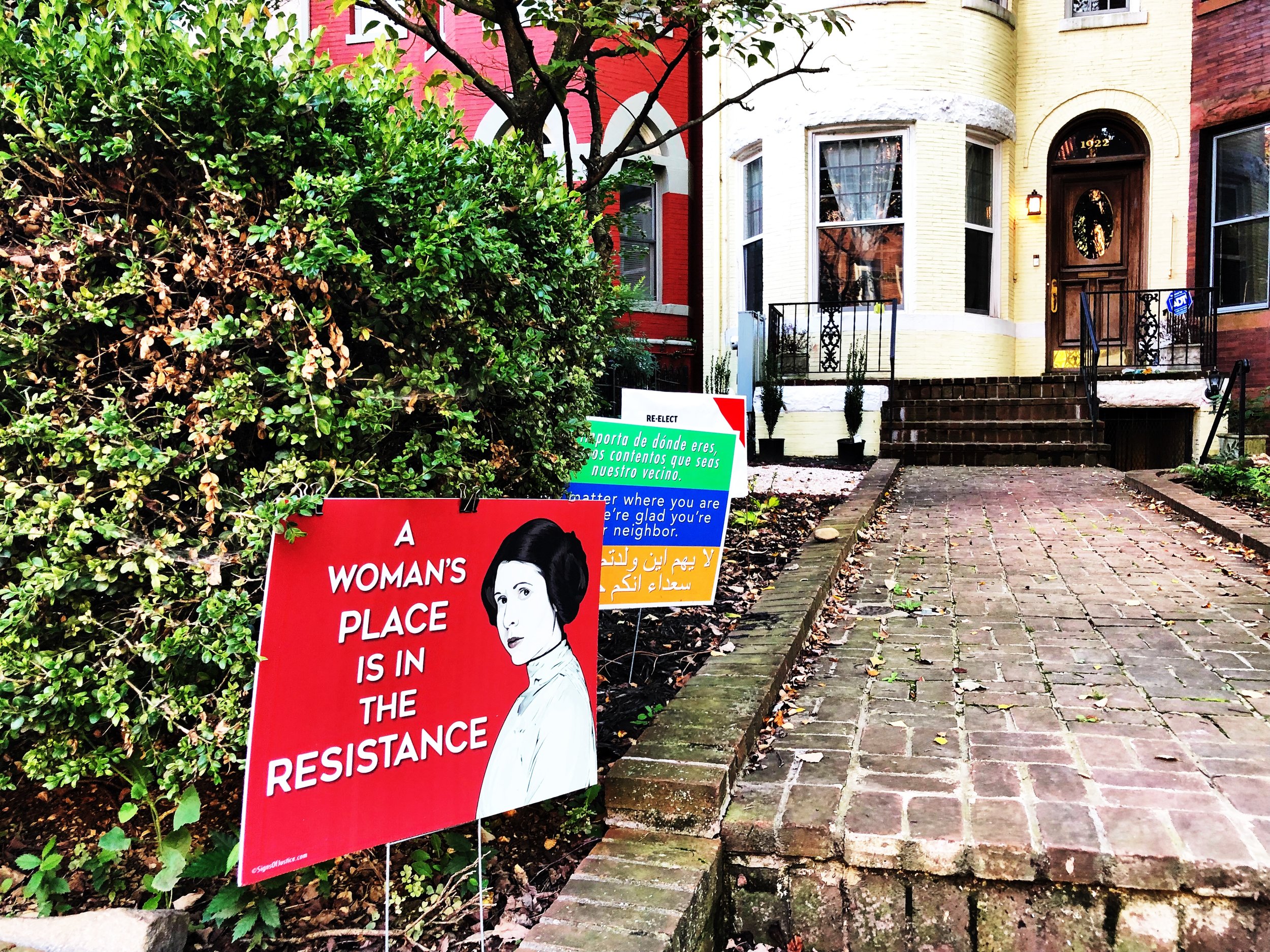
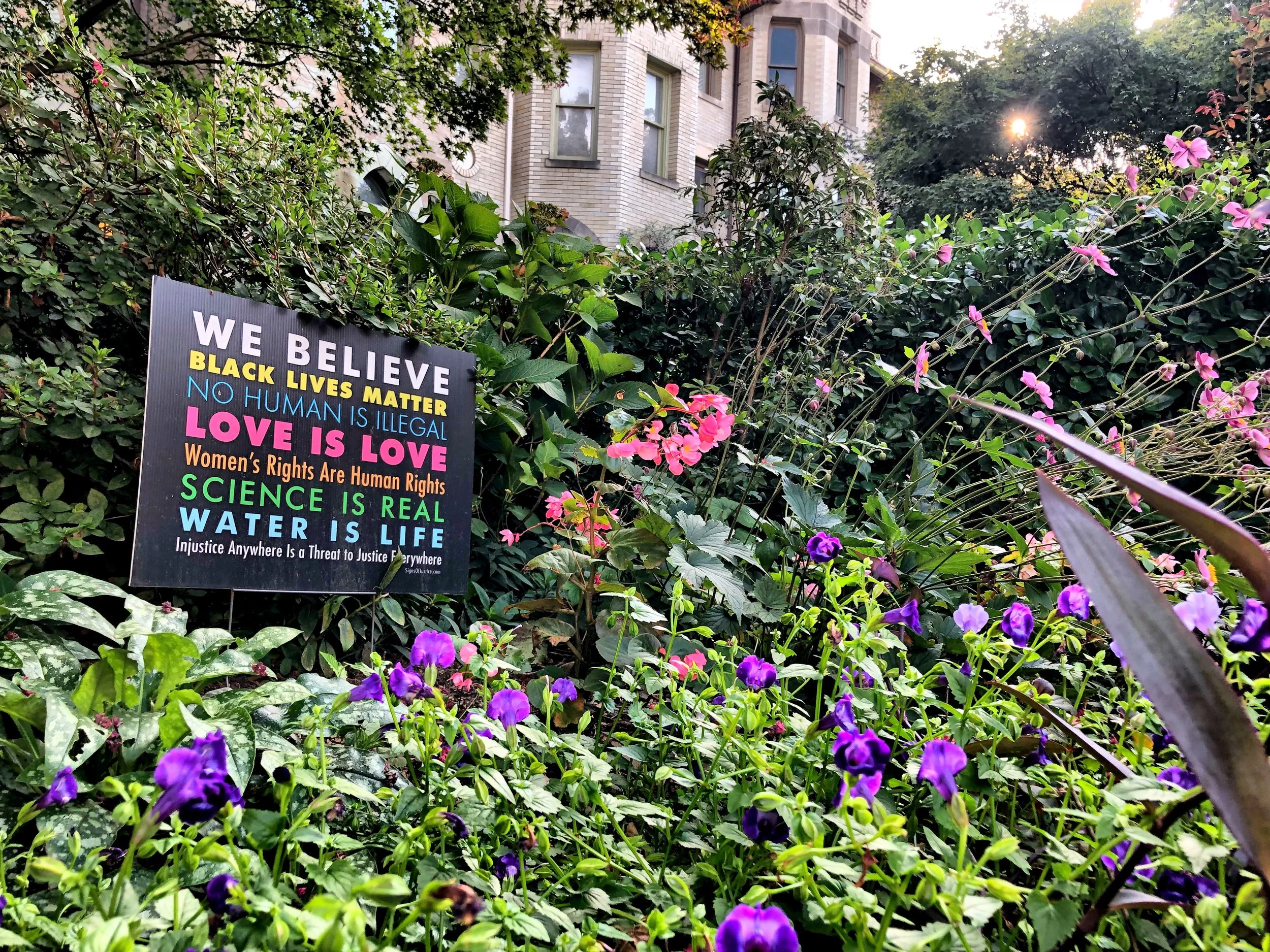
"Show up. Stand up. Speak up."

November 4, 2018
“How many of you remember where you were on July 7, 2016?” The question was asked by Dr. Brian Williams at the 8th Annual JPS Network Trauma Symposium. I raised my hand, and since I was sitting at the front of the room, glanced behind me expecting to see most hands raised, as well. Surprisingly to me, especially since the Symposium was being held in Fort Worth, there were only a few people with their hands raised.
Thursday, July 7, 2016 is the date a lone black gunman opened fire on white police officers in Dallas during a peaceful “Black Lives Matter” march. Five officers were killed that evening, and nine were injured. Seven of the officers were brought to Parkland Hospital where Dr. Williams, Parkland’s only black trauma surgeon, was on duty because he had agreed to switch shifts with another surgeon. Three of the officers died at Parkland. Dr. Williams was speaking at the JPS Trauma Conference to tell attendees about how that evening changed his life.
I remember where I was on the evening on July 7, 2016 because I was in my apartment, but I could have easily been at the march. In fact, I had planned to go, but at the last minute changed my plans because my husband came to Dallas early for the weekend, so I stayed home with him. Although my apartment is 6 blocks from downtown, I didn’t realize what was happening until my mother, who had been watching CNN, called to ask if I was all right? She explained what was happening, and I immediately stepped out on my balcony and looked to the south. I heard no gunshots, no screaming, and no sirens. We switched the television channel to CNN, and that’s when I learned the full details of what had happened. Similar to April 19, 1995 when I watched news of the bombing of the Alfred Murrah Federal Building from my office in Oklahoma City two miles from the bombing site, I had a foreboding sense of deja vu that evening. I watched news coverage of the scene in downtown Dallas and at Parkland, two places I know well and love. I felt sick. That’s what I remember more than my location that evening – I remember how despondent I felt that night and in the days following.
After Dr. Williams asked the audience if they remembered where they were on July 7, he asked them if they remembered July 5 and July 6 of that week. I did. On July 5, Alton Sterling was shot and killed by police in Baton Rouge, and Philando Castile was suffered the same fate on July 6 in Falcon Heights, Minnesota. Both men were black and unarmed. The deaths of Sterling and Castile sparked national outrage and were the impetus of the Dallas march.
After I finally went to sleep that Thursday night, I awoke on Friday with the same feelings of heartache as I had experienced the previous evening. I stumbled through the day until noon when I let staff go home early (most were feeling the same way I was). Like many of my friends, I was angered by the loss of innocent black lives. Don’t get me wrong or read more into this than is there – I have worked with many police officers and respect and support those who have taken an oath to protect and serve. But as a white person, my experiences with law enforcement are vastly different than those of my African American friends. I respect the stories and truth of my black friends, just like I respect my friends in the blue uniforms.
I don’t think violence is the solution to any problem – EVER. I hate that a black man decided to try to compensate for the loss of innocent black lives by killing innocent white police officers. Although Dallas has had a history of racial inequities, I hate the fact that the police shootings happened in a city that I love. I hate that it was perpetrated against the Dallas Police Department and Chief David Brown, a black officer who had risen up through the ranks to become Police Chief. I hate that my friends and colleagues in the Rees-Jones Trauma Department at Parkland had to deal with the horrific aftermath, which included delivering the news to family and friends of the officers who died. And honestly, I hate that many people (including some of my white friends) are apathetic to the injustice of racial bias.
In March 2015, a cell phone video of members of the Sigma Alpha Epsilon fraternity at the University of Oklahoma (OU) shouting a racist chant went viral. In swift action, then OU President David Boren, a former Oklahoma governor and United States Senator, expelled the two students identified on the video. I have two degrees from OU, was a member of a sorority, but I despise the racist actions displayed on that video. I changed my Facebook cover photo to a slide thanking President Boren for his swift action. In the days following the incident, I saw many posts from my public health friends condemning the actions of the fraternity members and praising my post. But, there were no such posts from most of my “friends” in Oklahoma. The majority ignored the incident altogether; others jumped to the defense of the fraternity members. I was disgusted. My disgust wasn’t because I believe all fraternity members are racists. I don’t. Just like I don’t believe all police officers are. I was in a sorority, and my husband was in a fraternity. I believe the Greek system has a lot to offer. Calling out fraternity members who make racist comments doesn’t mean I think the entire Greek system is bad.
On the Monday following the July 7 shooting in Dallas, Parkland hosted a news conference with the trauma staff. I knew several of the individuals who participated in the news conference; they were my colleagues. But, I did not know Dr. Williams. I have since learned that he was a reluctant participant in that news conference, but I sat mesmerized by his words that day. I listened to him describe a world vastly different from mine. His personal experiences had taught him to fear the people that I had been taught to rely on for help. Yet, when their lives hung in the balance, he fought to save them. And when he couldn’t, he wept.
My life wasn’t changed forever on July 7, 2016 like Dr. Williams’ life was. But, for days and weeks following, I felt deep sadness. In his presentation, Dr. Williams talked about the need to be prepared and stock your resilience toolbox for the times when we will experience emotional upheaval. He talked about the need to have a support system. “You know who your people are,” he said. Fortunately, I do. They are the friends who called in the days following July 7, or the Pulse nightclub massacre that occurred only weeks before the Dallas shootings in June 2016, or the slaughter of 11 people at the Tree of Life synagogue in Pittsburgh just days ago. They call when the unimaginable happens and details unfold of horrific hate and violence being perpetrated in our country. They call because they know me and inherently understand how I react to these events. They call to check on me.
I also find strength in family. The weekend after the July 7 shootings in Dallas, I found a photo on my cousin-in-law Apryl’s Facebook page. Apryl is biracial. I love my cousin, Lane, but honestly, I think the intelligent quotient in our family went up a few points when he married Apryl and brought this smart, beautiful woman and her handsome son into our family. The photo that Apryl had posted was one that included her parents, siblings, her son, my cousin and his son, and my aunt and uncle. Everyone in the photo was acting wacky and silly. When I saw that photo, my eyes filled with tears and my heart welled with pride and hope. That photo said to me that we are family, regardless of race.
Human rights advocate, Ginetta Sagan, best known for her work with Amnesty International, said, “Silence in the face of injustice is complicity with the oppressor.” It’s not in my nature to sit on the sidelines and allow injustice to continue, and frankly, it bothers me when others remain silent.
There are times when opportunity comes in the wake of tragedy. Following his appearance at the Parkland news conference, Dr. Williams was thrust into the national spotlight and is frequently asked to speak about racism and violence. One year following the Dallas police shootings, Dr. Williams left his job as a trauma surgeon and is now the Medical Director of Parkland’s Community Health Institute, whose mission is to keep Dallas citizens safe and healthy by moving our efforts way upstream to prevent the root causes of health and safety issues. And in a stroke of luck (mine), he is now my boss!
Dr. Williams ended his presentation at the JPS Trauma Conference by saying the words at the beginning of this post, “Show up. Stand up. Speak up.”
I will, Dr. Williams. You can count on me.


Reason to Believe
October 28, 2018
Once again, this week has been marred by hate and violence. Earlier in the week, another white ardent supporter of Donald Trump mailed pipe bombs to CNN and Democrats who have been critical of Trump. The perpetrator, who has been apprehended and arrested, was known for broadcasting his contempt for those that Trump has continuously publically criticized. Fox News accused the Democrats for planting the bombs because they were “trying to get the Democratic vote out.” Other conservative pundits said the pipe bombs were “fake.” Instead of denouncing the pipe bombs, the President of the United States blamed the media. Fortunately, no one was injured.
On Wednesday, October 24, a white man in Kentucky killed two black people at a Kroger in the Jeffersontown, a suburb of Louisville. One of the victims was at the Kroger with his 12-year-old grandson buying a poster board for the boy's school project when he got shot. The grandson ran out of the store, screaming for help. Surveillance video showed that 10 to 15 minutes before the grocery store shooting, the shooter tried to enter the First Baptist Church in Jeffersontown, an African American church, but the doors were locked. A church administrator told officials that an hour and a half earlier, the church was open and had approximately 70 people inside.
On Saturday, October 27, one more, white gunman armed with an AR-15 and three handguns, with a history of posting anti-Semitic threats online, opened fire in a synagogue in Pittsburg, Pennsylvania. Eleven lives were lost; six people were injured. The gunman screamed, “All Jews must die.”
Additionally, I saw posts on social media of another angry white man ranting at a Latino woman who recorded the racist rant on her cell phone. The woman was driving to the polls to vote with her 2 year-old daughter strapped into her car seat in the back seat of the vehicle. The man yelled at the woman saying, “Trump’s deporting your illegal cousin today. It’s my country. Get out. You’re ugly. You need a gay friend to help you with makeup and clothes.”
Prior to November 2016, a week with this many reports of violence would have been unusual. But, not anymore. As I read my journal entries from 2017, I’m reminded that the escalating reports of violence and hate occur so frequently that a 24-hour news cycle can’t keep up with each new report. There was a period of time in 2017 when the flags at Parkland Hospital, where I work, remained at half-staff for more than three straight weeks because of some act of random violence.
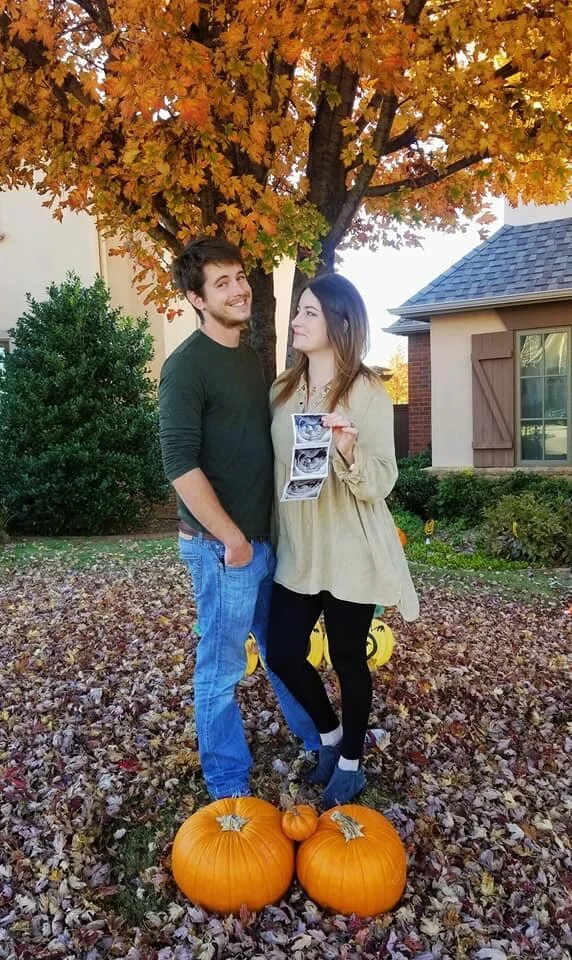
On July 23, 2017, my journal entry started with “I. Am. Tired.” It’s October 2018, and I’m still exhausted. But, I can’t stop fighting for a return to civility and acceptance. I can’t stop fighting because in 2019, my family will welcome a new life. I’m going to be a great-aunt. My niece and her husband are expecting a baby, who will (if all goes according to plan) arrive in April. My sister will be a grandmother. My mother will be a great-grandmother. My nieces will be a mother and an aunt. My daughter will be a doting cousin.
If you read my post from a few weeks ago, you know that I’m a Rod Stewart fan. One of my favorite Rod Stewart songs is “Reason to Believe.” There’s a lot of hate in our country, but Madison and Ben, you’ve given me a reason to believe in love.
#stillbelieveinlove
#worthfighting4
#reasontobelieve
Change

God grant me the serenity
to accept the things I cannot change;
courage to change the things I can;
and wisdom to know the difference.
-Serenity Prayer
October 24, 2018
Change doesn’t scare me. In fact, more often than not, I embrace it. I have a framed print in my home (purchased before November 2016) that says, “The good old days were never this good.” The theme behind the print is that the “good old days” we hear people lovingly reference were not that good and were often fraught with danger and hardship for individuals who were not white, not Christian, or not heterosexual.
I embrace the changes that have created a more just society for my non-white, non-Christian, and non-heterosexual friends. It probably explains why I love my public health career, a field that is constantly evolving to meet the changes and new challenges. I have spent my entire career trying to make my community safer and ensure the same healthier options for all populations, not just those who can afford to pay for healthcare.
I also understand that there are many things that I can’t change or control. I can’t control the weather or the mechanical issues that cause my flight to be delayed. I can’t change the fact that 9-11 occurred, which has changed air travel. I love traveling for pleasure (on the rare occasions that actually occurs), plus, it is an integral part of my job, so I deal with the inconveniences that arise.
I can’t control the traffic in Dallas, but I can check apps on my phone that tell me whether there are traffic delays on certain highways, and I can control the times I leave for meetings.
There are policies and regulations that have changed how healthcare and prevention services are delivered; some have been good, and some have not. But, I will not be the person who grows angry because of the changes or challenges. I will be the team member working to make sure the services are provided, efficient, and equitable.
I can’t control hurtful words that are said to me, but I can control my reaction to those words (thank you mindful leadership training), and I can control whether to associate with people who hurt me and don’t share my values. I have a new sign that reads, “Your tribe determines your vibe.” I’m grateful for my brilliant, fun, empathetic tribe. They give me hope.
There are many things that I can’t change. But, I will not let it define my attitude. I am learning not to waste time and energy wishing for a different set of circumstances. Instead, I’m focusing on the things that are in “my sphere of influence.”
I control my actions. I choose resiliency. I choose happiness.
I can’t change the results of elections, but I can volunteer to help elect candidates who share my desire to improve health, wellbeing, inclusion, and safety for all. And, I can vote. In. Every. Election.
On Monday, October 22, I was one of more than 55,000 who voted on the first day of early voting in Dallas County. Like me, many of those people stood in line to do so, because that’s what we do. Our voices are important. I won’t squander my opportunity to make my voice heard, and possibly change the things that I can.
#vote2018

Rod

October 21, 2018
You knew it was coming! If music soothes the soul, this year of searching for moments of awe wouldn’t be complete without a Rod Stewart concert! Fortunately, 2018 included that for me.
I discovered Rod Stewart when I was in high school, and I’ve loved his music ever since. If there is a soundtrack of my life, it is defined by Rod Stewart songs. I listened to “You’re in My Heart” when I was falling in love with my husband. I listened to “Do Ya Think I’m Sexy” when I was planning my wedding. He released “Forever Young” the year my daughter was born; it remains my favorite song ever (and family and friends know that I’ve requested it be played at my funeral). In 1994, when my husband coached the Cashion Wildcats boys basketball team to their first state tournament appearance, my daughter and I recorded the chorus to “We’re Having a Party” as the message on our home answering machine; we repeated that message when the Wildcats made their second appearance in the state tournament in 1996. I could go on and on.
My sister, who is not a music aficionado, has said she knows most of the lyrics to Rod Stewart songs because she had to listen to them for years “blow out of my sister’s car stereo speakers.” I took my daughter to her first Rod Stewart concert when she was in elementary school. When we were at his 2008 concert in Grand Prairie, Texas, she tweeted, “As long as Rod Stewart is touring, my mom will be there.”
I flew to Houston, Texas to see my first Rod Stewart concert. Ironically, I went back to Oklahoma last week to see my most recent concert. In spite of the fact that he was hobbled by a broken foot, I thought the concert was “Worth.Every.Cent.” Granted, he threw more soccer balls into the crowd than he kicked, and an ad for Viagra popped up on the video screens following his rendition of “Tonight’s the Night,” perhaps as a nod to his age and that of his audience. But, for two hours, I didn’t stop smiling while singing along to the lyrics of every song he performed.
I’ve seen Rod Stewart perform several times, but this was the first time my husband has gone to one of his concerts with me. As an added bonus, Pat Benatar and her husband Neil Giraldo were the opening act. That lady can still belt out a tune, and her husband plays a pretty good guitar!
None of the major problems facing our country were solved during the time we were in the Chesapeake Energy Arena, but for three hours last Thursday evening, I took a break and just listened to Rod.
My daughter is correct. I’m already checking to see if he has any 2019 tour dates booked! Until then, I’ll turn up the volume and try to drown out some of the negative “noise” while listening to Rod’s latest album, Blood Red Roses.
#Rodstillmakesmehappy


A Tale of Two Churches

October 14, 2018
I am a Christian. This is important for me to say because my Christian upbringing and beliefs are the core of who I am.
But . . . I have had a complicated relationship with the church. So much so, that a few years ago, my mother asked me if I had lost faith in God. My initial response to her was that I hadn’t lost faith in God, but that I had recently become disillusioned and confused by people who claim to be Christian, yet their actions seem to embrace hate and judgment. In retrospect, I’m not sure this started “recently.” As I look back, it may have started much, much earlier.
My family has always gone to church. When I was in elementary school, my family attended one of the two Protestant churches in our small community. My earliest memories of that church are of sitting in the pews on Sunday mornings listening to the minister “loudly” denounce the evils of sin while proclaiming that the “Rapture” was near, and those that weren’t “saved” would be doomed to an eternity in Hell. When I say “loudly,” I’m talking about an octave just below screaming. If we were singing the last verse of the invitation hymn and no one had come forward to make a profession of faith or rededicate their life, the minister would implore us to keep “every head bowed, every eye closed,” while we sang “just one more verse of the hymn, Just As I Live.” But, it was never just one more verse; it was five or six or seven verses.
Every Sunday, I became more and more fearful that the Rapture was imminent, and that my sister and I would be left behind with no parents, no grandparents, no family. One Sunday when I was 10 years-old, I got out of my seat and walked to the alter to be saved and baptized. My younger sister made a profession of faith and was baptized not long after that.
Other than singing the song, Jesus Loves the Little Children in Sunday School, I don’t recall any sermons about love during that period of my life. What I do recall are the sermons about the sinfulness of women wearing make-up, shorts, and reading magazines. I heard sermons about how women should be subservient to their husbands. My young, attractive mother wore make-up and shorts and read magazines, and she wasn’t that subservient to my father! So, there was a disconnect to what I was hearing at church and what I was witnessing at home. I didn’t like church then, but at least, I relaxed somewhat after I was “saved.”
When I was in the 7th grade, the minister and several deacons in the church publicly complained about my dad who coached the high school boys basketball team. School rules at that time only allowed for the girls and boys basketball team members to travel on the team bus to the away basketball games. One of the players on my dad’s team was dating a young woman who was not on the girls team, and he wanted his girlfriend to ride the team bus. This young man was also a member of the church we attended, as was his girlfriend. The minister and deacons made very public derogatory comments about my dad because he wouldn’t change the rules for this player. This went on for several months. Finally, my parents decided that they could no longer attend a church where they did not feel welcome. For several months following that time, our family attended many different Protestant churches. We ultimately ended up joining the only other church in our community – a Cumberland Presbyterian church, that I attended until I got married.
My memories of my time at our Cumberland Presbyterian Church are vastly different from those at the other church. Dr. Charles McCaskey, who was the minister when we joined the church, talked about God’s love in his sermons. He didn’t chastise women for wearing make-up or shorts or reading magazines. His young, attractive wife also wore make-up and shorts. While I can’t definitively say that I ever saw her reading a magazine, I’m relatively confident that the McCaskey’s didn’t consider that sinful. Sunday School was fun. Church was enjoyable. The “call to invitation” actually ended when the hymn ended. In high school, my friends and I started a youth group and were allowed to occasionally conduct Sunday morning services. I have many warm and special memories of that time. However, those are the memories of a heterosexual who fit squarely in the Christian mold. I’m not sure my gay and lesbian friends could say the same. I’d like to think we would have been accepting of those who felt differently, but we weren’t talking about those things. It was the 1970s.
My youth and limited exposure to life outside of my hometown didn’t give me cause to question much in those days. Yet, when I did, my Sunday School teachers discouraged me from doing so, saying that I needed to have faith and not be a “doubting Thomas,” a reference to one of Jesus’ disciples who asked to see proof of Jesus’ wounds from hanging on the cross when learning about the resurrection. We learned a lot of Bible verses; some of them I can still quote. Many of these verses still give me comfort, but we rarely had in-depth discussions. We were just expected to believe without question.
Additionally, many of my friends attended churches that believed Christians have a responsibility to lead others to Jesus Christ, so they spent a significant amount of time “witnessing” to people they deemed to be non-believers. And, they thought I should do it, too. They accused me of being ashamed of Jesus if I didn’t try to “save the souls” of people who weren’t Christians. I wasn’t ashamed of Jesus; but I was (and still am to a certain extent) an introvert. Selling anything, including Jesus, does not come naturally to me. I wasn’t ashamed of Jesus, but I did feel shamed by my friends because I wasn’t aggressively trying to lead others to Christ.
During this time, I was aware that my paternal grandparents didn’t attend church. I knew that my grandfather had been a deacon in the church, but walked out one Sunday never to return. I’m sure that I heard the reason why at some point, but I don’t recall now. I’ve asked my sister, cousin and uncle, but their memories are as vague as mine. The one thing that we are clear on was that my grandfather became disillusioned with some aspect of the church. I wish I had talked to my grandfather about this, but I didn’t. Perhaps, that discussion could have provided insight when I had my own questions.
Nevertheless, I was emboldened by my faith and felt confident and self-assured when I entered college. I enrolled in a Religion class my first semester thinking it would be just like my Bible study back home, only better because I would get college credit for it! It turned out to be a class on the religions of the world. At that time, I didn’t have the religious humility, maturity or intellectual curiosity to stick it out, so I dropped the course – a decision I regret to this day.
During that same semester, I attended a church that was popular with my friends. The minister at that church was charismatic and a favorite of students. One Sunday, his sermon was about how he had gone to the college bars the previous Saturday night and “caught” some of the student members of the church in these bars “drinking.” He talked about how “sinful” and “hypocritical” they were because they “pretended” to be Christians, but engaged in sinful behavior when they weren’t in church. I didn’t go back to that church.
Although the public shaming and judgment handed down from the pulpit at that church my freshman year disgusted me, my faith remained the cornerstone of who I was. Throughout my adult years, marriage, motherhood, and a few moves, my family has attended church regularly. My belief in God has remained intact, but there were times during some of those years that it felt like I was just going through the motions. It was during those times that the derogatory remarks I heard Christians make about homosexuality really started to bother me. By then, I had friends who were “openly” gay and lesbian. I also had friends of different faiths, as well as a few non-believers. They are all good people doing amazing work.
In 1998, when my father was diagnosed with pancreatic cancer and given only a few months to live, I was brought to my knees and thrust back into the life of my hometown church. The members of that church wrapped their collective arms around my family and didn’t let go until my mother, sister and I were strong enough to stand again. It wasn’t just the church members who took care of us, but a cadre of my parent’s friends who rallied around us. During the four months of my father’s illness, we were never alone. Every weekend, my sister and I arrived at our parent’s house to find someone sitting with my mom and dad. They brought food – including fruits and vegetables because my sister and I became vegetarians after my dad’s diagnosis. I don’t recall anyone ever asking what we needed – they just showed up and helped my mom. I’ve often said that time was the “worst of times and best of times.” I hated watching my father suffer and die, but I don’t know that I have ever felt more comforted, cared for, or loved.
However, as my view of the world and interaction with others who were different than me expanded, I continued to become more and more offended by insulting comments made by Christians. During this time, I also had people question my Christianity. At the same time, I was having thoughtful conversations with my Jewish, Buddhist, Muslim and Islamic friends, while watching them serve the disenfranchised – the very people Jesus said we should be serving.
Not long after I moved to Dallas, one of my colleagues suggested that I read The Shack, William Paul Young’s USA Today’s bestselling book. I loved it! I understand that it was a fictitious novel, but I thought the depiction of the Holy Trinity was comforting. Yet, many of my conservative evangelical friends complained that it was unbiblical (I repeat, it is fiction), and tried to shame me for reading it. Other reviews that I read from Christian writers went so far as to say it was heretical. This was just one more wedge between me and the fundamentalist Christians of my past.
When I moved to Dallas, I just didn’t make the effort to find and attend church, which is probably why my mother asked me if I had lost faith in God. I know my mother was worried about me. That year for Christmas, she gave my sister and me and our husbands The One-Year Bible, which includes four passages (one each from the Old and New Testaments, Psalms, and Proverbs) to be read every day. Now, I’ve memorized many verses from the Bible, and even read chapters from several of the books in the Bible. But, never had I read the entire Bible from start to finish.
Imagine my surprise when the saccharine Biblical stories of my youth took on new meaning when I read the Old Testament stories of vengeance, violence, genocide, rape, slavery, and men having multiple wives and concubines, which God condoned. Even the story of Noah’s Ark took on new meaning as I read about an angry vengeful God who destroyed the Earth in anger.
If my mother thought reading the Bible cover to cover would bring me closer to God, she was sadly mistaken. I understood then why we have wars over religion. If I wondered how Christians could excuse rape and sexual assault, I only had to look to the Bible for an explanation. The Bible of my youth, which had served as a playbook on how to display love and acceptance, had become a justification for the violence and hate plaguing humanity.
Couple this with the fact that I’ve watched evangelical leaders praise a man who has admittedly had extra-marital affairs on each of his three wives, bragged about sexual assault, and been embroiled in numerous illegal business activities because of a recurring theme in the Bible that God uses “flawed leaders.” Robert Jeffress, senior pastor at First Baptist Dallas and one of Trump’s evangelical advisers who preached the morning of his inauguration, has cited Romans 13, which he believes gives the government authority to “do whatever, whether it’s assassination, capital punishment or evil punishment to quell the actions of evildoers. He said that Romans 12, which says “do not repay evil for evil” is referring to Christians, not government. When a Christian writer asked Jeffress if wanted “the president to embody the Sermon on the Mount,” Jeffress said “absolutely not.”
In spite of this, and maybe because of the turmoil facing our nation, I found myself longing for the spiritual comfort of my youth. I wanted to believe in a safe, reassuring, and loving God; a supreme deity who loves me and all people regardless of our beliefs, gender preferences, races, ethnicity, etc. I was hurting, and I wanted to feel the comfort I felt when my father was dying, but I didn’t know whom to trust anymore. So I started searching – searching for answers to my questions, searching for explanations, and searching for a church.
What I found were other Christians with the same questions and resolve to keep plugging along to ensure a just world for all people. I found Jen Hatmaker, a Christian author, pastor, and blogger who has experienced the wrath of evangelical Christians when she said in an interview that she supported LGBT relationships. Jen and her husband, Brandon, left a comfortable lifestyle as pastors at a suburban megachurch to establish Austin New Church in south Austin. Austin New Church is focused on serving the under-resourced. In 2016 after the interview about LGBTQ, LifeWay, a large Christian retailer, pulled her books from their stores. She received death threats. Her children were harassed. Yes, you read that correctly – “Christians” were harassing her children and sending her family death threats because she chose to be loving and accepting of people who were different than her. She has said, “Being on the wrong side of the evangelical machine is terrifying and punitive.”
In Hatmaker’s book, For the Love, she talks about a post she had made on Facebook about the power of God’s love. In the post, she talked about the home they had built for a homeless person, and had raised more than $50,000 for children in Ethiopia. One of her followers had commented on her post, saying:
“So where’s the gospel, Jen? I’ve followed your blog and FB page for several months, and there is NO GOSPEL. I guess I’ve just “missed it.” You have a big following and should take that very seriously. You have a higher accountability and will answer for your influence.”
Huh????? Honestly, I probably know this person or someone like that. Hatmaker’s response in her book was, “This makes me want to pack my family and move to Sweden. Honestly, I love Jesus but sometimes his followers give me a migraine.” DITTO, Jen!
I found Rachel Held Evans, a Christian columnist, blogger and author, who wrote Inspired: Slaying Giants, Walking on Water, and Loving the Bible Again. Evans notes that we can “bend Scriptures to say just about anything you want it to say.” She says:
“If you are looking for Bible verses to support slavery, you will find them. If you are looking for verses with which to abolish slavery, you will find them. If you are looking for verses with which to suppress women, you will find them. If you are looking for verses with which to honor and celebrate women, you will find them. If you are looking for reasons to wage war, there are plenty. If you are looking for reasons to promote peace, there are plenty more.
With Scripture, we’ve been entrusted with some of the most powerful stories ever told. How we harness that power, whether for good or evil, oppression or liberation, changes everything.”
And, I found a church where I feel more welcome than I’ve felt in many, many years. If there were a customer service award for churches, this one, filled with beautiful caring souls, would win hands down. I found this church somewhat by luck and somewhat by technology. On a Saturday morning in June of 2016 while I was walking on the Katy Trail, I passed a church that had caught my attention on previous walks. I liked the “looks” of this church; the exterior was quaint and traditional. It seemed peaceful nestled between several old trees. When I returned home, I immediately logged onto their website. Unfortunately, the first thing I saw on the website was that they didn’t agree with the Supreme Court’s decision acknowledging the constitutionality of same sex marriage. My first reaction was, “Crap, I can’t attend this church.”
I sat disillusioned for a few minutes, then I did what most people do in the 21st Century – I “Googled” churches near me. Ironically, the church that is closest to me is one that I actually saw when I arrived in Dallas to look for an apartment prior to my move in 2008. It is the church across the street from the old stately hotel where I stayed on that house-hunting trip. For various reasons, I had never attended the church, but on that Saturday morning in June when I clicked on the church’s website, the first thing I saw was “We welcome people of all ages, races, backgrounds, abilities, economic circumstances, sexual orientations, and gender identities into the life and leadership of our church. We commit to advocating for justice and full inclusion of all people in our congregation and in the community we serve." Now that spoke to me!
The next morning, I woke up at 7 a.m. I pulled a pillow over my head to block out the streaming sunlight and tried to go back to sleep. I stayed in bed for 10-15 minutes, but couldn’t go back to sleep. Finally, I sat up in bed, looked at the ceiling and said out loud, “God, are you trying to tell me something?”
I got up, got ready and went to church that morning. I have attended many churches in my life, but with the exception of the Cumberland Presbyterian Church in Ada where my family knew all the members when we joined, I have never felt more at home and among like-minded Christians than I did that first Sunday and ever since. These people seem to genuinely care about the parishioners as well as the people in the neighborhood. The first Sunday that I attended, I received not just your typical rote welcome, but people asked me questions about myself, and “news flash,” they actually listened to me.
Because of my travel schedule, I don’t get to attend church as often as I would like, but today I did. As the Benediction was read, I was reminded of how grateful I am to have found a church that I can believe in again.
May God bless you with discomfort
At easy answers, half-truths, and superficial relationships
So that you may live deep within your heart.
May God bless you with anger
At injustice, oppression, and exploitation of people,
So that you may work for justice, freedom, and peace.
May God bless you with tears
To shed for those who suffer pain, rejection, hunger and war,
So that you may reach out your hand to comfort them and
To turn their pain into joy.
And may God bless you with enough foolishness
To believe that you can make a difference in the world,
So that you can do what others claim cannot be done
To bring justice and kindness to all our children and the poor.
Amen.
I don’t know why my grandfather left the church many years ago. But, I believe that church lost the talents of an honorable man whose day-to-day actions epitomized the teachings of Jesus every day that he walked this Earth. I remain grateful to my parents that when a church and it’s leaders let them down, they didn’t give up on faith and searched until they found a church that welcomed us.
My favorite Bible verse from my youth was Matthew 6:33 – But, seek ye first the kingdom of God and his righteousness, and all these things shall be given to you. Forty plus years after I memorized that verse, the kingdom of God may look a little different to me. My views have changed somewhat and are now more inclusive rather than exclusive. But, I still believe in a benevolent God. I believe because I felt love when my father was ill and dying. I have felt love from many friends of different beliefs during difficult and trying times. I have witnessed other Christians brave the wrath of the “evangelical machine” and speak out against injustice. I still believe because I found a church that welcomes the poor, the underserved, the LBGTQ, the transgender, the homeless, and me. And when my schedule allows, you’ll find me at a church on the corner of Oak Lawn and Cedar Springs.
Sportsmanship Lessons from my Father
October 8, 2018
“When you yell and scream at the referees, it doesn’t make them look bad, but it makes you look foolish.”
Philip Stephens
circa 1971
I don’t remember the exact date or place when my father said those words to me, but I remember the context. It was after one of my sister’s 5th and 6th grade basketball games. My dad was the coach. I was in the 7th grade and had been watching the game from behind the bench. During most of the game, I had been yelling at the 11 and 12 year-old players from the opposing team, the fans from the opposing team, and the officials refereeing the game (which were probably a couple of high school students). While I had been watching the game through the lens of what I thought was a passionate fan, my dad had been watching me – and he didn’t like what he saw. After the game, he quietly pulled me aside and let me know he wasn’t pleased with my behavior. He didn’t raise his voice, but I knew that I had disappointed him. And, I didn’t like that feeling.
My father’s words shaped my behavior at sporting events from that day forward. I’ve had many, many occasions to be a spectator at sporting events. I’m a sports fan through and through! This may be due partly to the fact that my father was a coach. Then, I married a coach. When our television is turned on, it is tuned into ESPN.
I’m not an athlete, but I love the positive things that sports offer – teamwork, camaraderie, and a sense of community. I love winning, and I loathe losing. Throughout the years, my family has experienced exhilarating victories and devastating defeats. During that time, I have cheered passionately when my teams have scored. I’ve groaned when they’ve made bad plays. There have been games when I remained standing the entire game because I was nervous. But, I do not yell at the opposing players, fans, or the game officials. And, I don’t like it when I see this behavior in others. This may be why I chose not to sit in the stands when my husband was coaching, but instead usually watched the games while standing in the corner of the gymnasium away from our fans and those of the opposing team.
Last weekend, there was a pretty big college football rivalry game that’s held annually at the State Fair of Texas in Dallas. My team lost.
My crew filed out of the stands, hot, tired, and dejected. We still had State Fair coupons, so we ordered something to eat and drink and looked for a table where we could sit. We found some space at a table – sandwiched between a group of people wearing orange. I looked at the handful of coupons I had left and passed them to the Longhorn fans. “Congratulations,” I said. “I’m not going to use these coupons. Take them and celebrate your win.”
They smiled and said thank you.
There were no loud, obscene or hateful words exchanged. We were just two small groups of individuals with different allegiances, different loyalties, and different viewpoints who decided to be respectful of those differences.
During a week that featured many disappointing losses, I’m grateful that there are still small things that can make me feel hopeful.


Embrace the Unexpected
October 3, 2018
At least once a month (sometimes more), I find myself at Love Field in Dallas waiting to fly to another city for another business trip. Inevitably my departure gate is next to a gate with a flight to Baltimore. I usually look at the Baltimore gate longingly, wishing I could be on that flight – because a flight to Baltimore means I could spend time with my best friend. Today, I was on that Baltimore flight because I had a meeting in DC.
Unfortunately, schedules were not going to allow me to spend time with my best friend on this trip. To quote another friend, Mary Ann, “Oh well.” So, I found myself with an unexpected free afternoon. It’s rare that happens, and even rarer for it to happen when I’m in DC. There’s something about our nation’s capital that has always captivated me. It may have something to do with the fact that my first visit to Washington, DC was as an adult. I think I was awed by seeing the monuments, Capitol, and White House for real when they had previously been just images on a page in a textbook. I’ve visited DC dozens of times since then, but I’ve remained awed by the city (although, it has certainly lost its luster for me in the past two years).
At various times, I’ve done most of the city tours and visited most of the museums, but it has been years since I’ve done anything relatively “touristy” in DC. This trip, I stayed in the Adams Morgan area. The Adams Morgan neighborhood is one of my favorite neighborhoods in DC. It is a multicultural neighborhood with a mix of eclectic rooftop bars, international restaurants, colorful row houses, local bookstores, and artisan cafes. It must have been fortuitous that I ended up here with a free afternoon and beautiful mid-80s temperatures. Like many of my friends, I needed some time to take a breath and decompress, even if I’m in the city causing my anxiety.
So today, I unplugged from the news. I walked around the Adams Morgan neighborhood. I had some sparkling wine at a Japanese rooftop bar. I ate Lebanese food. I visited with some furry neighbors, who posed for some photos. I snapped more photos of some incredible architecture, which is undeniably a national treasure.
Would I have preferred to spend the day with my BFF? Absolutely! But, today was a good day, nonetheless.
Cheers!


Living with the Chaos of the Unpredictable

September 30, 2018
On my daughter’s first Christmas, my mother (her grandmother) gave her Chris Van Allsburg’s beloved classic book The Polar Express. The book is the story of a young boy who is lying awake on Christmas Eve hoping to hear something a friend had told him he’d never hear – the ringing bells on Santa’s sleigh. That night, he gets to take a magical train ride on the Polar Express to the North Pole. Once there, the young boy is chosen among hundreds of children by Santa to receive the “first gift of Christmas” – a silver bell from Santa’s sleigh. On Christmas morning, the boy shakes the bell, and it makes the most beautiful sound the young boy and his sister had ever heard. But neither of his parents could hear the bell.
“Oh, that’s too bad,” his mother said. “Yes,” said his father, “it’s broken.”
Although most of the young boy’s friends and sister could hear the bell in the beginning, the bell fell silent for all them as the years passed. The story ends as the boy says, “Though, I’ve grown old, the bell still rings for me as it does for all who truly believe.”
I always thought that would be me.
For the most part, I’ve had a privileged life, so it was relatively easy for me to live in my “Pollyanna world” (my sister’s term). I’ve had strong healthy relationships with my family and friends, access to quality education, and a financially stable and satisfying career. I suffered from no adverse childhood experiences before my 18th birthday, which can be a predictor of a wide range of emotional and physical health problems. Although I have “worked my butt off” for most of my life, I realize that none of my success is the result of my efforts alone; it is the result of being in a supportive environment surrounded by a group of people who have significantly contributed to my ability to be successful. Individuals who have benefited from the same privilege (and more) need to be reminded of this.
I am also a white, heterosexual Christian female who spent the first 18 years of my life surrounded by people who looked like me and professed to believe like me. I thought my reality was everyone else’s reality.
As is usually the case, it wasn’t until I was exposed to persons of different cultures, races/ethnicities, religions, and sexual orientation, as well as additional education, and opportunities to travel internationally, that I realized that “different” wasn’t bad or “sinful.”
There’s a poster that hangs in my best friend’s church that reads:
The world in which you were born
Is just one model of reality.
Other cultures are not failed attempts at
being you; they are unique manifestations
of the human spirit.
Wade Davis
Although I watched in disgust as the narrative in the U.S. seemed to be slipping more and more into mean-spirited tribalism, I hung on to the belief that what “unites us is greater than what divides us.” I listened to Christian friends make derogatory remarks about individuals of different religions, races, and sexual orientation, yet I refused to dwell on these comments and continued to believe that these people were “good,” albeit misguided.
To be truthful, it has gotten harder and harder to believe this. For much of 2017, I found myself sliding into believing that my faith about the inherent goodness of people had been an illusion. But even on the worst days when I witnessed horrific behavior, there was always someone or something that reaffirmed my belief in humanity. Last week was no exception.
Like many of my friends, I caught glimpses between meetings and conference calls of the Senate hearing on September 27. As much as I would like to think that I could watch the hearing in an objective, non-partisan manner, the truth is I couldn’t. My past experiences shaped what I heard and my reactions to both Dr. Blasey Ford and Judge Kavanaugh. Listening to Dr. Ford elicited the feelings I had when I was sexually harassed. Listening to Judge Kavanaugh reminded me how I’ve felt when I’ve been on the receiving end of men yelling at me and interrupting me. Fortunately, this has not happened frequently, but each time it has, I felt shamed by these men while also thinking the men were not in control of their emotions. And finally, listening to Senator Graham’s comments reminded me of being told by several Republicans that my views are “wrong,” and it’s not worth having a conversation with me. So, there it is – my admission that my own experiences shaped what I saw and heard on Thursday.
On Friday, I felt a range of emotions – fear, sadness, and exhaustion. On Friday afternoon, I participated on a standing monthly call with a group of colleagues from across the country that have been meeting for more than a year to discuss how to integrate systems thinking into our work. We start all of these calls giving each participant an opportunity to reflect. Perhaps it was because I have established a level of rapport and trust with the other participants. Perhaps it was because these are video conference calls, and we can see the facial expressions of the others. Or perhaps it was just because I was feeling tired. Regardless, when it was my turn to reflect, I admitted to the group that the events of the day before had left me exhausted and distracted.
The others on the call reported having some of the same feelings. We noted the work that has been conducted around the power of “inviting the whole person to work – spirit, heart, body, and mind.” The key environmental components necessary to do this are safety, trust, and valuing people as human beings. It’s clear that those components are present for this group. Once all of us acknowledged the feelings that were distracting us, we were able to effectively transition into the purpose of our call – building capacity for systems thinking.
For those who are unfamiliar with systems thinking, it involves helping people view systems from a broad perspective that includes seeing overall structures, patterns and cycles in systems, rather than seeing only specific events in the system. Chris Soderquist, founder of Pontifex Consulting, describes systems thinking as a disciplined “thinking framework” that increases our ability to pool and integrate multiple – and often contrasting perspectives – in ways that generate powerful insight. Through this process, we are also learning to grapple with complexity and ambiguity. I remain profoundly grateful to these colleagues and our continued opportunities to learn and explore new ways to enhance our work.
“A systems approach begins when first you see the world through the eyes of another.”
C. West Churchman
I think I may have witnessed systems thinking in action last Friday. In a rare moment of bipartisanship during the Senate Judiciary Committee meeting, Senator Jeff Flake, Republican from Arizona, motioned for Senator Chris Coons, Democrat from Delaware, to join him outside the committee room. When the senators returned to the meeting, Senator Flake asked the committee to postpone a floor vote on Kavanaugh’s nomination to the Supreme Court for one week to allow an FBI investigation of the sexual assault allegations against him.
I don’t pretend to know Senator Flake’s reason for requesting the FBI investigation. Whether it was his encounter with two impassioned sexual assault survivors on his way to the meeting on Friday or listening to Senator Coons’ calm, heartfelt plea for a brief delay, he was visibly moved as shown by the video footage of him during the meeting. I don’t know if the FBI investigation will change anything. It’s possible, even likely, that it will not.
What I do know is that today, I feel more hopeful that two friends with vastly different political beliefs can still have a civil conversation, and perhaps make a difference in our deeply divided country.
What If?

September 23, 2018
These days seem to be a roller coaster of emotions. I’m saddened by what I see and read in the news on a weekly (if not daily) basis. At the same time, I can usually find something that inspires me and restores my hope for future generations.
Last week, I was saddened by the attempts to discredit a woman who reported an attempted rape by Brett Kavanaugh, a nominee to the Supreme Court. The attempted assault occurred more than 30 years ago. As with other reports of sexual assault against high-profile men (e.g., Harvey Weinstein, Bill Cosby, Les Moonves, etc.), there was a rush of people insisting that the claim couldn’t possibly be true, making excuses for the bad behavior, and passing judgment on the woman for not reporting it when it happened. I even saw Facebook posts from female “friends” of a meme created after a Republican South Carolina congressman made a comment about Ruth Bader Ginsburg being groped by Abraham Lincoln. When I saw the insensitive Facebook post, I was hurt. I can only imagine how women who have been sexually assaulted feel about hearing the comment or seeing the meme on social media.
I haven’t been sexually assaulted, but I have been sexually harassed – by a friend of my husband’s. It happened 38 years ago. I didn’t tell anyone about it – not my husband, family or friends until six months ago. There are many reasons why. I felt ashamed (even though I know it wasn’t my fault) because the culture is to blame the victim. Mostly, I felt like it would be discounted because the culture in many parts of the country is still “boys will be boys.”
While this is one of many injustices that still exists and saddens me, there are also actions of people that encourage me. Last week’s inspiration came from the Dallas Hub of the 2018 United Nation’s Global People’s Summit. The Global People’s Summit is organized by the Humanity Lab Foundation in collaboration with the United Nations Office of Partnerships. This year’s theme for the Dallas Hub was “Reimagine Dallas,” and the event featured conversations with Dallas thought leaders on reimagining education, philanthropy, community engagement, healthcare delivery, and empathy, among other topics. At the Summit, I heard uplifting words about the millennial generation of wealthy families not being satisfied with putting their names on buildings, but wanting to use their money to find solutions to social problems. I heard people talk about systems change (a concept that I’ve been engaged in for the past 18 months). I heard people talk about the need to spend more time educating children HOW to think critically, rather than teaching them what we think they should know. I heard about how my institution, Parkland Health & Hospital System, is reimagining not only how to care for the most vulnerable populations in Dallas, but also how to keep them safe and healthy in the first place.
The conversations at the Global People’s Summit got me to thinking. What could we accomplish if we stopped trying to solve 21st century problems with 20th or even 19th century solutions? Technology and innovation have changed the world in ways that our grandparents couldn’t imagine. My daughter is in a career field that didn’t exist on the day she was born. While some people believe the changes have caused us to be more detached from others, the reality is that technology and innovation have led to life-saving advancements in medicine and revolutionized communication, transportation, and education.
We are constantly reimagining innovation. Shouldn’t we also reimagine our views to create a just and humane society? What if we reimagined our views on gender equality, race/ethnicity, or sexual orientation? What if we replaced fear and judgment of change and difference with positivity and opportunity?
Naomi Wadler, who gained national attention at the March for Our Lives rally, is 11 years old and is trying to tackle the domestic violence epidemic. She recently became a member of the Kids Board of Directors of the New York fashion company KIDBOX, whose initiative is to clothe one million children in need. The young board members discuss strategies, launch anti-bullying campaigns, and learn how to spearhead social justice efforts.
If these young minds are nurtured, regardless of their gender, race, or sexual orientation, what problems will they solve? Will they discover the cure for pancreatic cancer or glioblastoma or Alzheimer’s or any other deadly disease?
Where would we be without Katherine Johnson, the woman who hand-calculated the trajectory for America's first trip to space, or the other African American women of “Hidden Figures”? Better yet, where we would be IF they had been given the same opportunities as their white, male counterparts?
What if we stopped fearing change and instead harnessed the possibilities? Seriously? What if?


Let's Talk

September 19, 2018
In my most recent post, I shared how inspirational it was to watch the Safe States staff and a few members of the Safe States Alliance pull together a prenominal last-minute closing plenary session for the 2018 Safe States Alliance Annual Meeting. However, some conversations with friends and colleagues last week, coupled with a podcast I listened to and a little self-reflection on my part made me realize that the content of that closing plenary is worthy of more discussion.
The closing plenary featured a “Let’s Talk” conversation with representatives from the Youth Violence Prevention Research Center at the University of Louisville and a clinical psychologist in Charleston who provided assistance to surviving congregation members of Mother Emanuel African Methodist Episcopal Church after a white supremacist killed nine members of that congregation as they worshipped. Mighty Fine (yes, that really is his name), Director of the American Public Health Association’s Center for Public Health Practice and Professional Development and a Safe States Board member moderated the session. The objective of the session was to have a safe and “comfortable conversation about an uncomfortable topic.”
By all accounts, the closing plenary was a rousing success. In the spirit of full disclosure, I have to admit that my initial reaction to the closing plenary was pride, although the truth is my contributions were minimal. Once I returned to Dallas and had gotten my ego in check, I began a period of self-reflection. One of the questions that Mighty asked the attendees at the closing session was “How often do you have conversations with family, friends or colleagues about race?” The truth is that I often have conversations with my friends and colleagues about race, and other issues that impact nonwhite, non-heterosexuals negatively. The reason is because those conversations are safe and respectful.
An example of this is a conversation I had this week with my friend Angela (who is African American). I was telling Angela about a discussion that I had with white friends regarding the movie “Black Klansman.” Some of my friends had said that the movie made them “uncomfortable.” “The movie didn’t make me uncomfortable,” I said sadly to Angela. “It made me livid that white supremacy behavior existed in the first place and that it still exists today, 150+ years after the Civil War ended and 50+ years after the Civil Rights Amendment went into effect. And, why did we even need the Civil Rights Amendment 100 years after slavery was abolished?” Angela just smiled and said, “Oh Shelli, you’re a white chick. You’re a ‘cool’ white chick, but a white chick nonetheless.” Angela went on to explain that most African Americans have been conditioned not to “make white people uncomfortable.”
I learn so much from Angela and my other friends whose upbringing and circumstances look different than mine. I relish these discussions. I always enter these conversations with anticipation. Possibly, it is because they feel safe. My friend, Mary Ann, always says, “Speak the truth in love.” The thing is that I can trust my close friends and colleagues in public health to do this. Those conversations are easy – not because we always agree, but because they are respectful.
Unfortunately, the same doesn’t hold true for other friends and acquaintances, and it has damaged my ability to engage in conversation with them or even to be in their presence.
Following some mindful leadership training in 2016, I began a process of asking “learning” questions in an attempt to try to understand why the actions and beliefs of my evangelical Christian friends seemed to contradict the Christian qualities and values that I had been taught. During this process, my questions generated raised voices, and more often than not, being told that, “There’s no need for discussion because any opinion that deviates from my viewpoint is wrong.” Not one of these people ever asked me to explain my viewpoint. Zero. Nada. Instead, they questioned my faith and Christianity. These conversations (if you can call them that) left me feeling shamed, judged, and angry. It became increasingly difficult for me to see Jesus’ love or even Christian humanity reflected in the comments or attitudes of these “friends.” Frankly, it’s hard to want to be around people who make you feel that way.
I shouldn’t have been surprised by the tone of these conversations. There had been many, many times in the past when these same individuals had made disparaging comments about groups of people of different races, ethnicities, religions, sexual orientation, etc. In March 2015, an incident occurred at the University of Oklahoma when members of the Sigma Alpha Epsilon fraternity were filmed singing a racially insensitive song that used the “n” word. Let me be clear – I am an Oklahoma Sooner through and through. I have two degrees from the University of Oklahoma (OU), and I bleed “crimson and cream.” But, I was disgusted when I saw that video. In a swift statement, then OU President David Boren denounced the actions of the fraternity and suspended two of the fraternity members identified in the video. The fraternity’s national organization closed the OU chapter. At that time, I was chair of the Injury Control and Emergency Health Services Section of the American Public Health Association. I wrote a column for the Section newsletter also denouncing the actions of the fraternity members and praising President Boren’s swift action, which I posted on Facebook. None of my Facebook “friends” responded directly to my post, but within hours, I began to see posts by many of them making excuses for the fraternity members and criticizing President Boren. Later at a dinner with conservative friends in Oklahoma, they complained about President Boren’s actions. One member of the dinner party made the comment that he didn’t understand why “Blacks are so upset, because things are better now for them than they used to be.”
A few weeks ago, I overheard someone say they are “infuriated” when they hear the term “Black Lives Matter.” For the record, if you are a white person who is offended by the term “Black Lives Matter,” please truly attempt to educate yourself about the social, economic, and political injustices perpetrated against not only blacks, but also others who have suffered injustice as a result of societal norms and laws.
My kneejerk reaction when I hear discriminatory remarks is anger. I want to scream that as white people, we can’t possibly begin to understand the experiences of African Americans. As a heterosexual, I can’t possibly understand the experiences of LBGTQ friends. But, I don’t say anything. I don’t want to “embarrass” the people making the comments. So, I sieve and vow not to be around people who don’t value empathy and inclusion. Out of self-preservation, I quit talking to them.
But the Safe States closing plenary caused me to question my actions. I realized that while I’m willing to have conversations about race, ethnicity, gender, religion, sexuality, etc. with my close friends, I’ve made a decision not to engage with people who have different views because conversations with them are hard and hurtful. This week, I listened to a podcast of Surviving Sarah between the host, Sarah Bragg and her guest, Jen Hatmaker. Both are Christian women who are not afraid to ask questions about their faith. Both women have stated their faith has evolved and strengthened through asking questions and reconciling their beliefs and learning to live within tension.
I’m not as familiar with Sarah Bragg, but I’ve read enough of Jen Hatmaker’s books to know that we had similar childhoods despite our almost 20 year age difference. Like Hatmaker, I had the privilege of growing up as a sanctimonious white, Christian heterosexual. I had the luxury of not having to question my religious beliefs or my sexuality. Granted, there were a few gender equality issues that were incongruent with what my church was teaching versus what I was witnessing at home, but I’ll save that for another blog post!
While I think my public health career and education have influenced my perceptions, I have to give a lot of credit to my parents (and mostly my mother) for giving me permission to be curious about the world that exists beyond my hometown. That curiosity has allowed me to seek opinions beyond what I know. It has intensified my quest to travel and learn about different cultures. My friend, Cary, has said that living outside of the United States among a different culture allowed her the freedom to question the status quo. My curiosity has facilitated my introduction to friends with different backgrounds and experiences. Every one of these people has enriched my life! But while I happily accept diverse, thoughtful opinions, I have been hesitant to listen to opinions that I deem hateful.
The Surviving Sarah podcast, along with the message from the Safe States closing plenary, caused me to question whether my decision to not engage with conservative evangelical Christians is the right decision. If I am going to really practice mindful leadership of learning rather than judging, shouldn’t I reach out to the people who have hurt me and try again to understand their viewpoint? If we are going to bridge the divide, I have to own my role in causing the dysfunction and try to rectify it.
To my African American, Hispanic, Asian, Middle Eastern, Jewish, Buddist, Muslim, Islamic, agnostic, LBGTQ, etc. friends, thank you for being patient with me and helping me learn.
To my conservative Christian friends, I’m open to having a safe and respectful conversation, if you are interested. I want to believe there is more that unites us than divides us. If you want to talk, I’m wiling to try again. I’m ready to listen.
Sometimes Moments of Awe Can Occur Even When Things Go Wrong

September 13, 2018
Last week, I expected to be awed. After all, I was traveling to the 2018 Safe States Alliance Annual Meeting. Safe States is near and dear to my heart. While it is the professional association I’ve been a member of for more than 20 years, it also serves as the vehicle that introduced me to some of my closest friends. For the past 11 months, I had the privilege to serve as the chair of the committee tasked with planning the 2018 meeting. The planning committee was filled with bright, energetic people – some of whom I had personally recruited; others had volunteered. As an added bonus, 2018 marked the 25th anniversary of Safe States. The committee and the amazing Safe States staff had worked long hours to plan a celebration worthy of the anniversary, while ensuring the meeting would be stimulating and informative.
I had high expectations for the meeting. The keynote speakers we had selected for the opening and closing plenary sessions had inspiring messages. The abstracts selected for oral and poster sessions featured information about cutting edge and promising injury and violence prevention strategies. The meeting was being held in picturesque Charleston, South Carolina at the historic Francis Marion Hotel on King Street. I expected to spend time with old friends, as well as with new acquaintances. Plus, there were nine of us from “Team Texas,” as well as three other Texans attending this year’s meeting, so that added to my anticipation. Although rain was forecasted for the week, it didn’t dampen my excitement.
When I caught a glimpse of the palette of colors through my hotel room window caused by the sun and scattered clouds on the first day of the 2018 Annual Meeting, I was hopeful. As the first day progressed, my hope continued to soar. The pre-conference sessions proved to be enlightening, as well as instructive. The opening plenary on servant leadership was a mixture of warm southern soul combined with motivating challenges to become the leaders we envision. I proudly watched as my “Team Texas” friends and colleagues shared their presentations on our efforts to make Texas safer. At the reception on Wednesday evening, we enjoyed a friendly competition with Colorado and Iowa attendees to see which state could raise the most money for the Safe States Policy Fellows Program.
As Thursday dawned, the 2018 Annual Meeting was exceeding my expectations. But, at 8:45 a.m., while watching my friend Stewart’s presentation, I received a group text message from Safe States staff that our closing plenary speaker, which was scheduled for Friday morning, had cancelled due to a family emergency. Ahh, the best laid plans . . .
I immediately left the session where Stewart was presenting and huddled with a few of the staff. We began discussing whether we should try to find a last minute replacement speaker or cancel the closing plenary session. None of us wanted to cancel the closing, nor did we want to take a chance on getting a subpar replacement speaker. As we brainstormed, it became obvious that we needed to reach out to other staff and attendees who might have ideas and contacts. We had originally planned to use Charleston’s history and the Francis Marion Hotel’s proximity to Mother Emanuel African Methodist Episcopal Church to have a “comfortable conversation about an uncomfortable topic – racism and violence.” On a Sunday morning in 2015, a white supremacist opened fire in the church killing nine worshippers. We wanted to honor those who had lost their lives in one of the many hate crimes that still plague our country by having an open and respectful conversation about how to bridge the divide in our country.
As we brainstormed options for the closing plenary, no one in our small group panicked, raised his or her voices, or blamed anyone for the predicament. We calmly started to brainstorm, and the ideas started flowing. We quickly realized that there was talent within our midst to pull together a last-minute closing session on the same topic and theme. One of Safe States’ Board members, who is an excellent moderator and knowledgeable about how racism and violence affects public health, agreed to facilitate a “Let’s Talk” conversation with a couple of other attendees (one of which is an 18 year-old college freshman) who had presented during a concurrent session on the role of racism and inequality. We reached out to our South Carolina attendees who helped us secure a clinical psychologist in Charleston who provided assistance to surviving congregation members of Mother Emanuel. We asked my friend, Courtney, a trauma nurse at Parkland Hospital in Dallas who had experience with the July 7, 2016 shooting of Dallas police officers, to be prepared to ask a question of the panelists.
Within an hour of learning about the cancellation of the original closing speaker, we had pulled together a comparable closing session, that in the end, proved to be as powerful and thought provoking as we had hoped for originally. I was exhilarated.
But my exhilaration wasn’t about the success of the annual meeting or even the closing session. It was because I witnessed what can be accomplished when a group of intelligent individuals from diverse backgrounds with a common goal combine their talents.
Granted, we weren’t trying to solve this country’s ills – poverty, homelessness, hunger, etc. We were just trying to put together a last-minute replacement closing plenary session for a national conference. But, the actions of that group inspired me. We were not a homogenous group. We represented different disciplines and different experiences. We understood that not one of us alone could “fix” the problem, but as a team, we could.
As the program chair, I didn’t have any grandiose illusions about my individual competency. But, I had confidence in the competent team we had assembled. Sometimes, the best course of action is for the leader to have the humility to let the team succeed. And when they do, it is awe-inspiring.
Thank you Michelle, Eva, Julie, Jamila, Sharon, Rich, Mighty, Julian, Dr. Wendel, Dr. Best, and Courtney, as well as the 2018 Annual Meeting Planning Committee, Safe States staff, and as always, Team Texas!


The Republican That Democrats Like the Most

August 27, 2018
Like millions of others on Saturday, August 25th, I was alerted to the “breaking news” on my iPhone that John McCain had succumbed to the gioblastoma that he had battled since being diagnosed 13 months ago. On hearing the news, I did something that I haven’t done in almost two years – I asked my husband to change the television channel from the NFL preseason game he was watching to CNN, so that we could watch the tributes to the man that throughout his Senate career was dubbed “The Maverick,” and also “the Republican that Democrats like the most.”
As expected, the heartfelt tributes came from individuals from both sides of the political divide.
Gabrielle Giffords: Arizona will not be the same without Senator John McCain. There is no equal to his service and integrity. @ShuttleCDRKelly and I are holding his family in our hearts tonight. We’ll miss you, John.
Mark Kelly: I have only encountered a few true heroes in my life, but Senator McCain was one of them. That he became a friend is one of the greatest privileges of my life. Thank you, John, for a lifetime of hard work for the people of Arizona and of this great nation.
Former President George W. Bush: Some lives are so vivid, it is difficult to imagine them ended. Some voices are so vibrant, it is hard to think of them stilled. John McCain was a man of deep conviction and a patriot of the highest order. He was a public servant in the finest traditions of our country. And to me, he was a friend whom I’ll deeply miss. Laura and I send our heartfelt sympathies to Cindy and the entire McCain family, and our thanks to God for the life of John McCain.
Hillary Clinton: @JohnMcCain lived a life of service to his country, from his heroism in the Navy to the 35 years in Congress. He was a tough politician, a trusted colleague, and there will simply never be another like him. My thoughts and prayers are with Cindy and his entire family.
Former President Barak Obama: John McCain and I were members of different generations, came from completely different backgrounds, and competed at the highest level of politics. But we shared, for all our differences, a fidelity to something higher – the ideals for which generations of Americans and immigrants alike have fought, marched, and sacrificed. Obama went on to say, “Few of us have been tested the way John once was, or required to show the kind of courage that he did. But all of us can aspire to the courage to put the greater good above our own. At John’s best, he showed us what that means. And for that, we are all in his debt. Michelle and I send our most heartfelt condolences to Cindy and their family.”
Former Vice President Joe Biden: John McCain’s life is proof that some truths are timeless. Character. Courage. Integrity. Honor. A life lived embodying those truths casts a long, long shadow. John McCain will cast a long shadow. His impact on America hasn’t ended. Not even close. It will go on for many, many years to come.
We can only hope, Vice President Biden. We can only hope. As I watched a CNN interview with Hillary Clinton, Clinton agreed that McCain’s death is like a “punch in the gut,” because it comes at a time when Senator McCain’s legacy of bipartisan work seems like a long forgotten fairytale. He was a conservative to his core, yet he believed that politicians needed to work across party lines to do what is best for our country. His friendships with former Senator Ted Kennedy and former senate colleague and Secretary of State Clinton are legendary.
I’m not an expert political analyst. There are others who are, and they have commented more eloquently than I can about what standing up for what is best for our country and for his values may have cost Senator McCain. Did it cost him the opportunity to be President of the United States? Did his stance on immigration and healthcare reform, as well as his candor about the Confederate flag and racial injustice alienate the Republican Party who ultimately elected Donald Trump?
During his 2000 presidential campaign against George W. Bush, McCain responded to a reporter’s question about the Confederate flag using language amenable to Civil War revisionists who falsely claim that southern states did not secede and enter the Civil War to preserve and extend slavery. Two months later, McCain apologized for putting political interests ahead of honesty. He said he thought if he answered honestly, he couldn’t win the South Carolina primary. In the latter speech, McCain said his Confederate forefathers in Mississippi “fought on the wrong side of American history.” He continued, “I don't believe their service, however distinguished, needs to be commemorated in a way that offends, that deeply hurts, people whose ancestors were once denied their freedom by my ancestors.
Although my political views have rarely aligned with Senator McCain’s, I have respected him for many years. But for maybe a nano-second in 2008, I actually considered voting for him because of his response at a campaign event to a woman who claimed President Obama was an “Arab.” In a video clip that has gone viral, Senator McCain took the microphone from the woman and said, “No, ma’am, he’s a decent family man and citizen that I just happen to have disagreements with on fundamental issues, and that’s what this campaign is all about.” Today, in a time when fact checking by most candidates has become nonexistent and lies have become “alternative facts,” John McCain shut down a negative comment (and lie) with the truth. How many candidates running for office today have that integrity?
On election night 2008, I was in Winnipeg, Manitoba with my friend, Carrie at a Safe Communities Canada meeting and training. As I watched the election returns with Carrie and our Canadian colleagues, I was filled with hope. Our country had elected an African American as President of the United States. At the time, I believed (perhaps naively) that our country was capable of overcoming the merciless discrimination of the past. My heart swelled with pride as I watched the celebrations of those gathered in Chicago at Grant Park when the Obama family walked onto the stage, and listened to the cheering from our Canadian friends. I was further convinced of this when I watched Senator McCain, in his concession speech, acknowledge the historic nature of President Obama’s victory.
“My friends, we have come to the end of a long journey. The American people have spoken, and they have spoken clearly. A little while ago, I had the honor of calling Sen. Barack Obama — to congratulate him on being elected the next president of the country that we both love.
In a contest as long and difficult as this campaign has been, his success alone commands my respect for his ability and perseverance. But that he managed to do so by inspiring the hopes of so many millions of Americans, who had once wrongly believed that they had little at stake or little influence in the election of an American president, is something I deeply admire and commend him for achieving.
This is an historic election, and I recognize the special significance it has for African-Americans and for the special pride that must be theirs tonight.
I've always believed that America offers opportunities to all who have the industry and will to seize it. Sen. Obama believes that, too. But we both recognize that though we have come a long way from the old injustices that once stained our nation's reputation and denied some Americans the full blessings of American citizenship, the memory of them still had the power to wound.
A century ago, President Theodore Roosevelt's invitation of Booker T. Washington to visit — to dine at the White House — was taken as an outrage in many quarters. America today is a world away from the cruel and prideful bigotry of that time. There is no better evidence of this than the election of an African-American to the presidency of the United States. Let there be no reason now for any American to fail to cherish their citizenship in this, the greatest nation on Earth.
Sen. Obama has achieved a great thing for himself and for his country. I applaud him for it, and offer my sincere sympathy that his beloved grandmother did not live to see this day — though our faith assures us she is at rest in the presence of her Creator and so very proud of the good man she helped raise. Sen. Obama and I have had and argued our differences, and he has prevailed. No doubt many of those differences remain. These are difficult times for our country, and I pledge to him tonight to do all in my power to help him lead us through the many challenges we face.
I urge all Americans who supported me to join me in not just congratulating him, but offering our next president our goodwill and earnest effort to find ways to come together, to find the necessary compromises, to bridge our differences and help restore our prosperity, defend our security in a dangerous world, and leave our children and grandchildren a stronger, better country than we inherited. Whatever our differences, we are fellow Americans. And please believe me when I say no association has ever meant more to me than that.
It is natural tonight to feel some disappointment, but tomorrow we must move beyond it and work together to get our country moving again. We fought — we fought as hard as we could.
And though we fell short, the failure is mine, not yours.
I am so deeply grateful to all of you for the great honor of your support and for all you have done for me. I wish the outcome had been different, my friends. The road was a difficult one from the outset. But your support and friendship never wavered. I cannot adequately express how deeply indebted I am to you. I am especially grateful to my wife, Cindy, my children, my dear mother and all my family and to the many old and dear friends who have stood by my side through the many ups and downs of this long campaign. I have always been a fortunate man, and never more so for the love and encouragement you have given me. You know, campaigns are often harder on a candidate's family than on the candidate, and that's been true in this campaign. All I can offer in compensation is my love and gratitude, and the promise of more peaceful years ahead.
I am also, of course, very thankful to Gov. Sarah Palin, one of the best campaigners I have ever seen and an impressive new voice in our party for reform and the principles that have always been our greatest strength. Her husband, Todd, and their five beautiful children, with their tireless dedication to our cause, and the courage and grace they showed in the rough-and-tumble of a presidential campaign. We can all look forward with great interest to her future service to Alaska, the Republican Party and our country.
To all my campaign comrades, from Rick Davis and Steve Schmidt and Mark Salter, to every last volunteer who fought so hard and valiantly month after month in what at times seemed to be the most challenged campaign in modern times — thank you so much. A lost election will never mean more to me than the privilege of your faith and friendship.
I don't know what more we could have done to try to win this election. I'll leave that to others to determine. Every candidate makes mistakes, and I'm sure I made my share of them. But I won't spend a moment of the future regretting what might have been.
This campaign was and will remain the great honor of my life. And my heart is filled with nothing but gratitude for the experience and to the American people for giving me a fair hearing before deciding that Sen. Obama and my old friend, Sen. Joe Biden, should have the honor of leading us for the next four years.
I would not be an American worthy of the name, should I regret a fate that has allowed me the extraordinary privilege of serving this country for a half a century. Today, I was a candidate for the highest office in the country I love so much. And tonight, I remain her servant. That is blessing enough for anyone and I thank the people of Arizona for it.
Tonight — tonight, more than any night, I hold in my heart nothing but love for this country and for all its citizens, whether they supported me or Sen. Obama, I wish Godspeed to the man who was my former opponent and will be my president.
And I call on all Americans, as I have often in this campaign, to not despair of our present difficulties but to believe always in the promise and greatness of America, because nothing is inevitable here. Americans never quit. We never surrender. We never hide from history. We make history. Thank you, and God bless you, and God bless America.”
Amen and Godspeed, Senator McCain. Your legacy of pubic service and gratitude lives on, now and forever.
Easy Friendships

August 18, 2018
Recently, I heard the term “Your tribe determines your vibe.” I’m not sure about the source, so I don’t know to whom to attribute the phrase, but I completely agree with it. Today, I had phone calls with two friends that I hadn’t talked with in months, but both reminded me how grateful I am for “easy friendships.”
I hesitate to use the term “easy,” because I don’t want to imply that these friends have had an “easy” life. Life is never easy, and anyone who expects it to be is delusional. Life is chock full of good and bad times, and I want to be the kind of person who is there for my friends during the “messy” and heartbreaking times, as well as the celebratory occasions. But, the fact is that there have been instances for various reasons when I haven’t always done that. And, I’m so grateful that my friends have not let those times impact our friendship.
Last year, my friend, Nancy, lost her son, Nate, to a rare type of incurable brain cancer. I knew that Nate’s death was inevitable, and I had always intended to travel to North Carolina to attend his memorial service, regardless of when it occurred. However, when I learned that Nate’s service coincided with a long-planned trip to New York City with my mother, sister, daughter, and nieces, I made the decision to continue with that trip. Instead, my daughter and I flew to North Carolina the day before we were scheduled to travel to New York, so that we could spend a few hours with Nancy and her family. For those hours, we got to spend time remembering Nate with Nancy, Steve, Laine and Sarah, and also with two other close friends of theirs. I can’t speak for Tom and Jill, but I consider that evening a gift. At possibly the worst time of their lives, the Ballards shared an intensely personal time with Staley and me, and made us feel our efforts were appreciated, even though we couldn’t be there for Nate’s service.
I had a similar experience in 2014 when my friend, Stewart lost his fiancé to leukemia. Stewart is one of my “Texas tribe,” that also includes our friends, Mary Ann and Courtney. Stewart often jokes that Mary Ann and I are his “Texas moms,” and Courtney is his “Texas sister.” We all tried to be there for Stewart when his fiancé was ill, and for the most part, I think we were. But, when his fiancé died, her service was scheduled for a time that I had to be in Atlanta on business. Canceling that trip would have left the group I had committed to in a bind and resulted in a non-recoverable financial cost to them. I felt horrible that I couldn’t be there for Stewart. However, he made me feel like he understood. And, Mary Ann and Courtney let me know that they would be there for him. They all gave me permission to be absent from a difficult time for a friend who was hurting.
Last year, my friend Sue’s husband was hospitalized with an infection following what should have been a relatively routine surgery. I knew that he was scheduled for surgery, so when Sue sent me a text message about him being hospitalized, I thought it was for the routine surgery. I completely missed the cue in her text, and unfortunately didn’t respond until a couple of days later. When I finally did call her, I was horrified to learn that her husband’s infection had been misdiagnosed, and was at that time, potentially life-threatening. Fortunately, Sue had other “less clueless” friends who rallied around her for support, but I felt awful. However, instead of pointing out that I hadn’t been there when she needed me, Sue quickly made me feel like I wasn’t the worst friend on Earth.
Another time worth mentioning when a friend gave me a pass was the weekend of November 11-13, 2016. That weekend, my best friend’s daughter was directing her senior play at Washington College in Chestertown, Maryland. I had planned to be there for both the Friday and Saturday night performances. However, to say that I was despondent at that time would be grossly under exaggerated. I called Carolyn (or texted or emailed; it’s hard to remember those days) to tell her that I would be flying back to Dallas on Saturday. Normally, there are few places that I would rather be than with my best friend, especially during times of distress, but that Sunday I wanted (needed) to be at church in Dallas to hear words of comfort and hope from the pastor (you delivered, Anna!). Carolyn called me that Sunday, not to complain about me being so downcast during the weekend or even for leaving early, but to tell me that she and Dave understood. A few weeks later, when I let Carolyn know that I was cancelling my trip to Baltimore to attend the 2017 Women’s March in Washington, DC, with her, she also understood.
I hope that most of the time, I’m the type of friend my friends want and need. But when I’m less than my best, I’m so grateful to them for loving and accepting me – flaws and all.


My Bucket List

August 12, 2018
Like most people, I first heard the term “bucket list” after I saw the 2007 film that starred Jack Nicholson and Morgan Freeman as two men who were facing terminal illnesses; both had a desire to complete a list of things to do and see before they died. The term “bucket list” may have been new to me, but I’ve always had a list (albeit unwritten). My list almost exclusively has included places I want to see and photograph during my lifetime. My mother says that I was born with the “wanderlust” gene; she’s probably correct.
I thought most people had some such list, but imagine my surprise after 39 years of marriage, to learn that my husband doesn’t. Seriously, who doesn’t have a bucket list?? Upon disclosing this revelation, he quickly assured me that he wants to help me complete my bucket list and has asked me for a list of places I want to visit, so that we can “plan” for those trips.
Here’s the thing – my husband is a planner. Me – not so much. Let me rephrase that – I’m relatively skilled at strategic planning for work projects, but I prefer to keep an open mind and want more spontaneity on vacations. The reason is that my most memorable times have been those that deviated from the planned schedule and led to spur of the moment detours.
I know my husband wants me to give him a list, but that’s hard for me because my "list” has changed over the years based on new experiences and meeting new people who tell me about places they’ve visited. My recent trip to Bryce Canyon is a good example. Ten years ago, it wasn’t on my list, but then I saw photos from my friend Sue’s trip there, and I was mesmerized. So, Bryce Canyon was added to my list. Like me, my list is constantly evolving.
The other thing is that my list is somewhat dependent on the people who are my traveling companions. It’s not just about the destination, but the individuals with whom I share the experience that are important to me. Case in point, South Africa is at the top of my list, not because it is a beautiful place, but because my best friend spent her teenage and early adulthood years there. I want to see South Africa, but I want to see it with Carolyn and her husband, and through their eyes. South Africa wasn’t on my list prior to meeting Carolyn, but now it is.
In an attempt to give my husband something tangible that he can print (who am I kidding, I’ll have to print this for him) and hold in his hands, I’m attempting to compile a “written” list. So, Stidham, here is my “current bucket list.” There are a few caveats. The biggest caveat is that this is being created on August 12, 2018, and it could change 2 months or 2 years from now! Aside from #1, this list is in no particular order.
South Africa (specifically Cape Town) and other cities/places in Africa for the above mentioned reason. Caveat – I want us to travel there with Carolyn and Dave. I do not want to visit South Africa without them. Period.
Big Bend, Texas – I love my adopted state, and I want to spend time here visiting sites that I haven’t seen, as well returning to some of favorite Texas sites. I’ve visited several places already, but haven’t made it to Big Bend yet, so that’s on my list along with Palo Duro Canyon. I also want to revisit Texas beaches and the Texas Hill Country, as often as possible.
Northern Lights – People who read my May 28 blog entry about “Collecting Memories,” will know this is on my list. I don’t care where I see them – Alaska, Iceland, Finland, or some other place – I just want an opportunity to photograph the Northern Lights.
European River Cruise – My friends, Mary Ann and Jodie, took a river cruise through Portugal, and came home raving about it. I don’t really care about the destination, but a European river cruise has been on my list for a while.
Camino de Santiago walking tour – This is another perfect example of something getting added to my list when I learned about it. Recently, I noticed Facebook posts from my colleague, Nayi Nunez, who appeared to be hiking in another country. Several weeks later, when I saw her at a meeting, I asked her about her trip. She told me about the Camino de Santiago trails, where individuals from across the world have come for centuries to walk these European trails. The header on the website (https://caminoways.com) proclaims “Camino de Santiago, a Journey for the Soul.” You have a choice of easy to difficult walks, as well as guided or self-guided. The easier tours allow you to walk 8-12 miles per day, typically on flat surfaces. When you reach each daily destination, your hotel room is waiting. The next day, your luggage is transported to the next daily destination, where it is waiting at the hotel when you arrive. No camping, and no carrying heavy backpacks. Nayi chose the Portugal Coastal tour. I’m not sure which tour that I would pick, but this sounds fun and adventurous.
Road trip across the U.S. – Recently, your sister pointed out the Cruise America recreational vehicles (RV), which offer RV rentals. You can count me in, Cindy, but it may have to wait until we’re both retired!
Cinque Terre with my BFF and our daughters
Many, many trips to our cabin in northeastern Oklahoma with you, as well as some trips there with my girlfriends
More snow skiing trips with Sue, and any other friends and family
The last thing on the list is not a place to visit, but something that has become increasingly important to me. I would really like to experience family gatherings regardless of the location that are drama-free.
So, there it is. At this moment in time, these are the places and things that I believe will result in moments of awe.
I'm Still Learning
August 8, 2018
When I was in the 5th grade, I proudly announced to my parents, “I just can’t think of anything that I don’t know.” Bolstered by the knowledge that I had just learned all of the U.S. states and capitals, my grasp of U.S. geography seemed to be all the criteria needed for me to come to the conclusion that I had reached the pinnacle of intelligence. Immediately, I noticed a look pass between my parents. You know the look – in my family, it usually involved a raised eyebrow from my mother and a knowing smirk from my father. And instantly, I knew that I had greatly overestimated my intellect.
My best friend, who now leads leadership development at The Johns Hopkins Hospital, but used to teach at Johns Hopkins University, one of the most prestigious and educationally challenging universities in the country, is fond of saying, “Some people just don’t know what they don’t know.” Unfortunately, my experiences over the past 40 years have convinced me that many people “don’t WANT to know what they don’t know.” I’ve heard Carolyn’s husband, Dave, say “Don’t confuse me with the facts,” when he’s describing someone who has already made up his or her mind about something and is unwilling to listen to new information.
I recently returned from my 12th State Technical Assessment Team (STAT) visit, conducted by the Safe States Alliance. The Safe States Alliance is a professional association of individuals who work in the injury and violence prevention field. The STAT visit is a service offered by Safe States to injury and violence prevention programs within state health departments. I’ve often said that the STAT visit is the most exhausting and exhilarating week of my life. My last visit to Utah was no exception.
My first STAT visit was to North Carolina in 2002. At that time, I was fortunate to be working at the Oklahoma State Department of Health in the Injury Prevention Service under the direction of my visionary friend, Sue Mallonee. Sue was a leader in the injury and violence prevention field, and under her direction, the Injury Prevention Service in Oklahoma was considered one of the top state health department injury prevention programs in the country.
So, when I arrived in Raleigh as a STAT member to assess the North Carolina injury prevention program, I was feeling just a little smug. I was fully prepared to parlay all of my knowledge to the staff in North Carolina (even though the STAT visit is about assessment and NOT technical assistance).
Fortunately, there was a part of me that had enough of an open mind (and a stellar STAT leader) that I began to quickly understand there was a lot that I could learn from my fellow team members, as well as the staff of the North Carolina program.
I’m now 60 years old, 30+ years into my career, and have just completed my 12th STAT visit, and I’m still learning so much.
STAT visits can be tough. The days and evenings are long, with the team working 14+ hours every day. There is typically a mixture of individuals on the team from various generations and various stages of their careers. Seventy-two hours into a STAT visit, the team members can become tired and “punchy.” At this time during the visit, I’m always intrigued and amazed by group dynamics. More often than not when the STAT members are tired, they will coalesce, push on, and complete the task at hand.
Not surprisingly, the Utah STAT visit was another moment of awe. I’m so grateful to have the continued opportunities to be allowed to work with such professionals as Anara Guard, Nidhi Sandecheva, Colleen Kapsimalis, Ina Robinson, Rich Hamburg, Peter Edwards, Anna Fondario, Missy Leak, and the entire team with the Violence and Injury Prevention Program at the Utah Department of Health.
The Utah STAT visit left me feeling tired, but grateful and hopeful.
Thanks Safe States Alliance, my colleagues on the Utah STAT, and the staff of the Utah Violence and Injury Prevention Program for a delightful week in Salt Lake City.The


Travel

"Travel
As much as you can.
As far as you can.
As long as you can.
Life is not meant to be lived in one place."
August 2, 2018
I love to travel, whether it is by planes, trains, buses, or automobiles.
I love visiting different places, regardless of the inconveniences of post 9-11 travel restrictions. One of my bucket list goals was to set foot in all 50 of the U.S. states in my lifetime; a feat I accomplished in 2013 after I coerced my husband into joining me on a road trip to visit the final “seven states in seven days.”
Because of business travel, I don’t get much of an opportunity to travel on a “real” vacation these days, so I try to squeeze in an extra day when traveling on business. I had an opportunity to do that recently when I traveled to Utah for a Safe States Alliance Technical Assessment Team (STAT) visit. I flew to Salt Lake City a day early to drive to Bryce Canyon. A friend who lives in Salt Lake City and my sister-in-law joined me.
My sister-in-law shares my love of traveling and visiting new places. She is a high school English teacher in Oklahoma, who also teaches Driver’s Education during the summer months. Instead of taking her Driver’s Education students to places near their hometown, she maps out routes across Oklahoma taking them on historical junkets, as well as pop culture trips to places like Blake Shelton’s Old Red Café in Tishomingo, Oklahoma. Her intent is to expose her students to as many places and experiences beyond their hometown. She cares about her students’ future. We need more teachers like my sister-in-law.
This past week, she embarked on a road trip to Colorado, Wyoming, Idaho, and Utah; actually she added Utah to her itinerary when she found out that I was going to be there.
The trip to Bryce Canyon did not disappoint. The scenery was spectacular. The company was superb, providing stimulating, thought provoking, and intellectual conversation, laughter and levity, as well as many “moments of awe.”
From coast to coast, the geographic landscape of the United States is diverse; much like its residents. Just like the topography of Utah and its national parks, I believe this diversity adds color, texture and depth, and I want more of it. I want to spend more time with people who challenge my perspective like my sister-in-law and my long-time friend and colleague.
Until next time, thank you Cindy and Lenora for energizing me!


Some days, I just have to unplug and listen to Abba!

“I have a dream, a fantasy
To help me through reality . . .
I have a dream, a song to sing
To help me cope with anything . . .”
I have a Dream
Abba
July 22, 2018
When I embarked on this year of “searching for awe,” I knew that 2018 wasn’t always going to be sunshine and rainbows. What it did mean was that I was committed to trying to reclaim some of the joy, laughter and hope that 2016 and 2017 had sucked out of me. It meant that I would face each day looking for opportunities to look for positivity in the face of daily attempts to undermine our basic humanity.
For the most part, these attempts have been successful. But there are some weeks that I literally have to disengage from watching or reading any news coverage or social media posts. This was one of those weeks. After listening to the news accounts this week about the current President’s behavior toward long-standing allies of the United States at the NATO Summit, followed by comments he made standing next to a known dictator who advocates for killing journalists, I’d had enough. I turned off the news and turned on Spotify. I recently read a report (but can’t find the report or source now) that listening to at least 10 songs a day can improve your mood.
I’m not sure if it was coincidence, divine intervention, or the fact that ‘’Mama Mia 2” premiered this week, but the first song that I heard when I asked Alexa to “play Spotify” was “I Have a Dream” by Abba! My friend, Leslea, used to tease me about my taste in music. Often, she had good reason – there was that regrettable phase when I liked Air Supply back in the 80s! But, I will not apologize for my love of Abba music! And, “I Have a Dream” was the perfect song for me to hear on that day. The words, the melody, the music reminded me that it’s possible to still see “wonder” even when the U.S. democracy is threatened. It made me feel like “digging in” to protect the programs and policies that benefit the most vulnerable populations; to not give up on my life’s work.
Granted, I’m tired. The past 18 months have been physically and emotionally exhausting. Couple that with the fact that I spend a considerable amount of time on weekends working, something that is a constant sore spot with my husband. My last real extended (beyond 4 days) vacation was in 2014.
Recently, I finished reading Maria Shriver’s book I’ve Been Thinking, which is a compilation of reflections, prayers, and inspirational wisdom. In one of the chapters, Shriver talks about growing up in a family who considered resting or vacations a sign of weakness. Shriver has said that resting was scorned upon in her home. “If either of my parents saw anyone resting, well let’s just say…no one would have dared to try,” Shriver has said. Yet, she has come to realize that resting (and I’m not talking about naps) is important for our minds, our hearts, and our bodies to help us recharge and refocus. Shriver says people who feel recharged are less likely to react negatively when hurtful things are said, including being more considerate, and more compassionate, not to mention less angry and less judgmental.
Because of my work, I don’t get many opportunities to take a vacation. However, this weekend, I got in my car, turned up the volume on my Abba playlist, headed to a cabin on a river in the woods, where I spent 48 hours reading a good book, cuddling with my sister-in-law’s Border Collie, Panda, floating in the Barron Fork, and recharging. I understand that I’m privileged, and that many people do not have the luxury to escape to their cabin. But, this weekend, I used that privilege to recharge and refocus my resolve. Now, I’m ready to go back to work on Monday to try to create similar opportunities for everyone.